
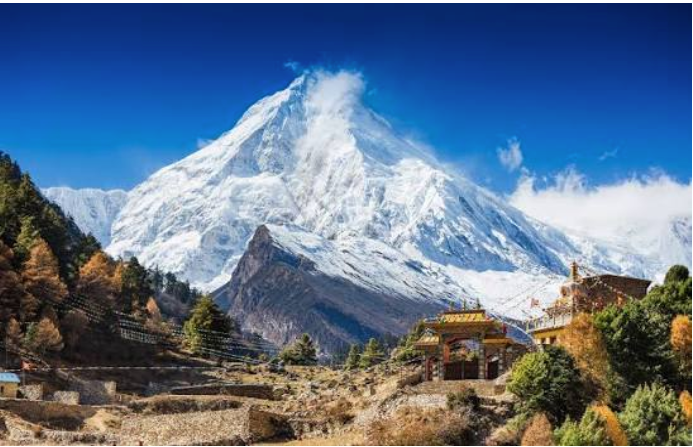

Nepal is home to some of the world’s most remarkable trekking destinations, but beyond the famous trails of Everest and Annapurna lie quieter routes filled with dramatic mountains, ancient villages, and rich Himalayan culture. The Manaslu Trek and Tsum Valley Trek are two outstanding journeys for travelers who want to experience Nepal away from the busiest trekking routes.
Located in the remote Gorkha region, these treks combine spectacular mountain scenery with traditional villages, Buddhist monasteries, peaceful valleys, and a strong sense of local culture. While the Manaslu route is known for challenging mountain terrain and high passes, Tsum Valley offers a more peaceful cultural experience surrounded by impressive Himalayan peaks.
Manaslu Trek: Adventure Around the Eighth-Highest Mountain
The Manaslu Trek takes trekkers around Mount Manaslu, which rises to 8,163 meters and is one of the highest mountains in the world. The trail passes through a changing landscape, beginning with lower green hills and river valleys before gradually reaching alpine forests, rugged mountain terrain, and high Himalayan passes.
One of the major attractions of the trek is the variety of scenery. Trekkers can walk through traditional villages, cross suspension bridges, follow mountain rivers, and enjoy increasingly impressive views of Manaslu and the surrounding peaks.
The route eventually reaches the challenging Larkya La Pass, one of the major highlights of the journey. Crossing the pass requires good preparation because of the altitude and demanding terrain, but the spectacular mountain scenery makes the effort worthwhile.
Key Points of Manaslu Trek
- Location: Gorkha and Manaslu region of Nepal
- Main attraction: Mount Manaslu and surrounding Himalayan peaks
- Difficulty: Moderate to challenging
- Duration: Usually around 14–20 days, depending on the itinerary
- Major highlight: Larkya La Pass
- Landscape: Rivers, forests, villages, glaciers, valleys, and high mountains
- Cultural experience: Tibetan-influenced Buddhist communities and monasteries
- Best suited for: Trekkers looking for a quieter and more adventurous Himalayan experience
The Manaslu region also offers a fascinating cultural journey. Villages along the upper trail have strong Tibetan influences, and Buddhist monasteries, prayer flags, mani walls, and traditional houses add a unique character to the trek.
Tsum Valley Trek: A Peaceful Journey Into the Hidden Valley
The Tsum Valley Trek offers a different kind of Himalayan experience. Often described as a hidden valley, Tsum is located in the northern part of the Gorkha district and is surrounded by spectacular mountains.
The valley has preserved many elements of its traditional Tibetan Buddhist culture. Ancient monasteries, chortens, prayer wheels, and traditional villages can be found throughout the route. The peaceful environment and relatively quiet trails make Tsum Valley particularly attractive to travelers interested in culture and authentic mountain life.
Among the cultural highlights are important monasteries and religious sites where trekkers can learn about the spiritual traditions that have shaped the valley for generations.
The scenery is equally impressive. The trail provides views of mountains such as Ganesh Himal, Himalchuli, and Manaslu, while the valley itself features forests, rocky landscapes, rivers, and dramatic mountain walls.
Key Points of Tsum Valley Trek
- Location: Northern Gorkha region of Nepal
- Main attraction: Traditional villages, monasteries, and Himalayan scenery
- Difficulty: Moderate
- Duration: Generally around 14–18 days, depending on the route
- Cultural highlights: Tibetan Buddhist traditions and ancient monasteries
- Landscape: Forests, valleys, rivers, cliffs, and mountain views
- Atmosphere: Peaceful, remote, and less crowded
- Best suited for: Cultural travelers, photographers, nature lovers, and trekkers seeking tranquility
Manaslu Trek vs. Tsum Valley Trek
Although both routes are located in the same broad region, they offer different experiences.
The Manaslu Trek is the better choice for travelers seeking a challenging Himalayan adventure with high-altitude landscapes and the famous Larkya La Pass. It offers a long and varied journey through some of Nepal’s most dramatic mountain scenery.
The Tsum Valley Trek, on the other hand, places greater emphasis on culture, spirituality, and peaceful mountain communities. It is ideal for travelers who want to explore ancient monasteries and traditional villages while enjoying beautiful Himalayan surroundings.
For those with enough time, the two experiences can also be combined. A longer itinerary can allow trekkers to explore Tsum Valley before continuing toward the Manaslu Circuit, creating a more complete journey through the region.
Best Time for These Treks
Spring and autumn are generally considered the most favorable seasons for trekking in the Manaslu and Tsum Valley regions. During these periods, the weather is usually more suitable for walking, and mountain views are often clearer.
Spring brings pleasant temperatures and blooming vegetation, while autumn is known for stable weather and excellent visibility. Winter can bring very cold conditions and snow at higher elevations, while the monsoon season may create wet trails and reduced mountain visibility.
Preparation for the Journey
Both treks require reasonable physical preparation. Trekkers should be comfortable walking for several hours a day over uneven and sometimes steep terrain.
For the Manaslu Trek, preparation is particularly important because the route reaches high elevations and includes the Larkya La Pass. Proper acclimatization, suitable clothing, good hiking footwear, and a carefully planned itinerary are essential.
Tsum Valley is generally less demanding than the highest sections of the Manaslu route, but its remote location means trekkers should still prepare properly. Carrying appropriate equipment and allowing enough time for acclimatization can make the journey safer and more enjoyable.
Respecting Local Culture and Nature
Traveling through remote Himalayan communities comes with a responsibility to respect local traditions and the environment. Trekkers should follow local customs when visiting monasteries and religious sites, avoid unnecessary waste, and respect the privacy of local residents.
Supporting local teahouses, guides, porters, and small businesses can also contribute positively to communities along the trail. Responsible trekking helps preserve both the natural beauty and cultural heritage of these remarkable regions.
Conclusion
The Manaslu Trek and Tsum Valley Trek offer two unforgettable ways to discover Nepal’s quieter Himalayan landscapes. Manaslu combines demanding mountain adventure, spectacular scenery, and the challenge of crossing Larkya La Pass, while Tsum Valley provides a peaceful journey through ancient villages, Buddhist monasteries, and a deeply traditional Himalayan culture.
Whether you are drawn to high mountain adventure or searching for a more intimate cultural experience, both routes provide an opportunity to explore a side of Nepal that feels authentic, remote, and remarkably beautiful. For travelers willing to step beyond the most popular trekking trails, Manaslu and Tsum Valley can become some of the most memorable journeys in the Himalayas.