
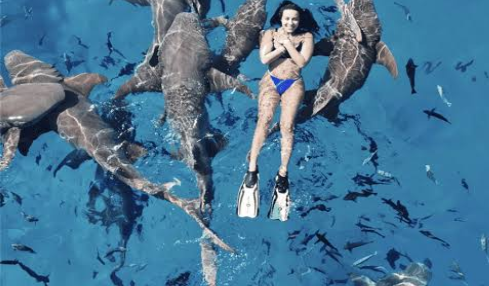

The Maldives is famous for its clear turquoise lagoons, coral reefs, tropical islands, and extraordinary marine life. For travelers who want to explore the underwater world without the equipment or training required for scuba diving, Maldives snorkeling offers an accessible and rewarding experience.
The country’s warm waters and diverse reef environments provide opportunities to see colorful reef fish, sea turtles, rays, reef sharks, and coral formations. From house reefs that can be reached directly from a resort to guided boat excursions, there are many ways to experience the underwater environment.
For travelers planning a snorkeling-focused holiday, understanding where to go, when to visit, and how to choose the right reef can make the experience more enjoyable.
Why Is Maldives Snorkeling So Popular?
The Maldives consists of numerous coral islands surrounded by lagoons and reefs. Many resorts are located close to healthy marine environments, allowing guests to explore underwater areas with relatively little travel.
Unlike scuba diving, snorkeling generally requires only basic equipment and swimming ability. This makes it suitable for many travelers, including beginners and families, although children should always be supervised around the water.
A typical snorkeling experience may include seeing:
- Colorful tropical fish
- Sea turtles
- Reef sharks
- Stingrays
- Eagle rays
- Moray eels
- Coral formations
- Anemonefish
- Schools of reef fish
Marine life varies by location and season, so encounters cannot be guaranteed.
Best Snorkeling Spots in Maldives
The best snorkeling spots in Maldives vary depending on what you want to see and whether you prefer shore-based snorkeling or boat excursions.
Some of the country’s well-known snorkeling areas include reefs around popular atolls such as North Malé Atoll, South Malé Atoll, Ari Atoll, and Baa Atoll.
Rather than focusing only on a specific island name, travelers should consider the quality of the house reef, water conditions, accessibility, and the types of marine life commonly found in the area.
House Reef Snorkeling
One of the easiest ways to enjoy Maldives snorkeling is through a resort’s house reef.
A house reef is the reef system located close to the resort island. Depending on its design and conditions, guests may be able to reach it directly from the beach or through a short boat transfer.
House reefs are convenient for:
- Beginners
- Families
- Short snorkeling sessions
- Underwater photography
- Independent exploration
- Repeat visits throughout the holiday
Before booking a resort, ask about the accessibility and quality of its house reef. Some resorts have reefs immediately beside the island, while others require boat transportation.
North Malé Atoll
North Malé Atoll is one of the most accessible areas for travelers arriving in the Maldives.
Its location near the capital means many resorts can be reached relatively quickly by speedboat.
The region has numerous reefs, channels, and marine environments where snorkelers may encounter tropical fish, turtles, rays, and other reef species.
Its accessibility makes North Malé Atoll a practical option for travelers who want to combine snorkeling with a shorter transfer from the airport.
South Malé Atoll
South Malé Atoll offers a range of reef environments and is another popular area for marine activities.
Several resorts provide access to house reefs, while boat excursions can take visitors to nearby snorkeling locations.
The area can be suitable for travelers looking for a balance between resort relaxation and marine exploration.
Ari Atoll
Ari Atoll is widely known for its marine biodiversity and diving and snorkeling opportunities.
Depending on the location and season, visitors may encounter reef fish, turtles, rays, and other marine species.
Some areas are also known for whale shark encounters. These are wild animals, however, so sightings are not guaranteed and responsible operators should follow appropriate wildlife-viewing practices.
Baa Atoll
Baa Atoll is another notable region for marine experiences and is recognized for its important marine environment.
Hanifaru Bay is particularly associated with seasonal manta ray activity. During favorable conditions, large numbers of manta rays may gather in the area to feed on plankton.
Access and visitor rules can vary, so travelers should follow local regulations and instructions from authorized guides.
Snorkeling With Turtles
Sea turtles are among the most memorable animals that snorkelers may encounter in the Maldives.
They can sometimes be seen around coral reefs and lagoons, particularly in areas with suitable feeding and resting habitats.
If you encounter a turtle, maintain a respectful distance and avoid chasing or touching it. Allowing the animal to move naturally helps protect both the wildlife and the quality of the encounter.
Snorkeling With Rays and Sharks
The Maldives is home to several species of rays and sharks.
Many reef sharks are not considered a threat to snorkelers, but all encounters with wild animals should be treated with caution and respect.
Snorkelers should avoid feeding marine animals unless participating in a properly managed and permitted activity. They should also follow the instructions of local guides.
Best Time for Maldives Snorkeling
The Maldives has a tropical climate and can be visited throughout the year. However, water clarity and marine conditions can vary seasonally and between different atolls.
December to April is traditionally associated with generally drier weather and, in many areas, clearer water.
During the southwest monsoon, increased plankton in the water can reduce visibility in some locations but may attract manta rays and other filter-feeding species.
For this reason, the ideal time depends partly on whether you prioritize clear water or specific marine encounters.
Snorkeling Equipment
Most resorts and excursion operators provide basic snorkeling equipment, including:
- Mask
- Snorkel
- Fins
- Life jacket where appropriate
Travelers who snorkel regularly may prefer to bring their own mask and snorkel for a more comfortable fit.
A rash guard or UV-protective clothing can also be useful because snorkeling often involves extended exposure to sunlight.
Reef-safe sun protection and good sun safety practices are important during long periods in the water.
Snorkeling Safety Tips
Although snorkeling is generally accessible, it is still a water-based activity and should be approached responsibly.
Important safety practices include:
- Never snorkel alone in unfamiliar water.
- Follow local weather and sea-condition advice.
- Stay within your swimming ability.
- Use a life jacket if recommended.
- Avoid touching coral.
- Do not chase marine animals.
- Keep a safe distance from boats.
- Stay hydrated and protect yourself from the sun.
- Follow instructions from guides and resort staff.
Children should always be supervised by a responsible adult.
Responsible Snorkeling
The coral reefs of the Maldives are delicate ecosystems. Even small amounts of physical contact can damage coral.
Responsible snorkelers should maintain good buoyancy, avoid standing on reefs, never remove coral or shells, and refrain from feeding wildlife.
Choosing resorts and operators that support reef conservation can also help promote sustainable marine tourism.
Key Points to Remember
- Maldives snorkeling provides an accessible way to explore coral reefs and marine life.
- The best snorkeling spots in Maldives vary according to reef quality, marine life, season, and accessibility.
- House reefs offer convenient snorkeling directly around many resort islands.
- North Malé Atoll is easily accessible from the airport and has numerous reef environments.
- South Malé Atoll offers a combination of resorts, reefs, and marine activities.
- Ari Atoll is known for diverse marine life and opportunities for snorkeling and diving.
- Baa Atoll is particularly notable for seasonal manta ray activity around Hanifaru Bay.
- Turtles, rays, reef sharks, and colorful fish can be encountered in different locations.
- Marine wildlife sightings are natural encounters and cannot be guaranteed.
- December to April is traditionally associated with generally drier conditions and clearer water in many areas.
- Snorkelers should never touch coral or chase marine animals.
- Children should always be supervised while snorkeling.
Conclusion
Maldives snorkeling offers travelers an easy and rewarding way to discover the colorful marine environment surrounding the country’s tropical islands. Whether you explore a resort house reef or join a guided excursion, the experience can provide close encounters with coral formations, tropical fish, turtles, rays, and other marine life.
When searching for the best snorkeling spots in Maldives, it is important to consider more than the name of the atoll. Reef accessibility, water conditions, marine biodiversity, resort location, and seasonal factors can all influence the experience.
With the right destination, suitable equipment, careful attention to water safety, and responsible interaction with marine life, snorkeling can become one of the most memorable parts of a Maldives holiday while helping protect the fragile underwater environment for future generations.