HomeTravelGreat Migration Safari: The Complete Guide to Africa's Greatest Wildlife Spectacle

Great Migration Safari: The Complete Guide to Africa’s Greatest Wildlife Spectacle

Published on

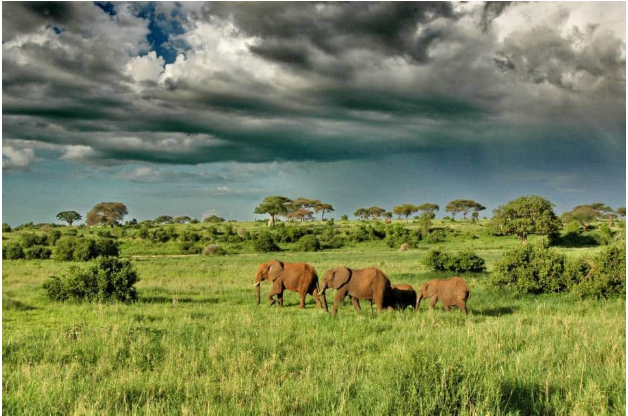
Few natural events can match the scale of the Great Migration. Every year, well over a million wildebeest, joined by hundreds of thousands of zebras and gazelle, travel in a vast loop across the Serengeti-Mara ecosystem of Tanzania and Kenya. They are chasing fresh grass and water, and predators follow every step.

A Great Migration safari lets you witness that movement firsthand. But it is not a single event you can circle on a calendar. It is a continuous cycle, and where you stay, when you go and how you plan will shape what you see. This guide explains how the migration works, what each season offers, and how to plan a trip that puts you in the right place at the right time.

What Is the Great Migration?

The Great Migration is the year-round, clockwise movement of roughly 1.5 million wildebeest, along with about 200,000 to 400,000 zebras and large numbers of Thomson’s gazelle and eland. The loop covers hundreds of kilometers across northern Tanzania’s Serengeti National Park and Kenya’s Masai Mara National Reserve.

The animals are not following a fixed route or schedule. They respond to rainfall and the grass it produces, which means timing shifts a little from year to year. A good operator and an experienced guide track the herds’ current position rather than relying only on the calendar.

Three things make it extraordinary:

  • Scale. Herds can stretch to the horizon, and the sound of grunting wildebeest carries across the plains.
  • Drama. River crossings, calving and predator hunts all happen within the same ecosystem.
  • Continuity. The migration never stops. There is always something happening somewhere along the loop.

The Migration Calendar: What Happens When

January to March: Calving Season in the South

Early in the year, the herds gather on the short-grass plains of the southern Serengeti and the Ndutu area, where nutrient-rich grass supports lactating mothers. Hundreds of thousands of calves are born in a window of just a few weeks, typically peaking around February.

This is a high-energy time for predators. Lions, cheetahs, hyenas and jackals all hunt the vulnerable newborns, so game drives here are full of action. The landscape is open and green, which is excellent for photography. It is also a more relaxed season than the peak months, with generally fewer crowds.

April to May: The Move North

As the long rains arrive, the herds leave the southern plains and begin heading north and west through the central Serengeti. Grass is plentiful, the countryside is lush, and the animals spread out in long columns. Lodges often offer lower rates, though some roads become difficult in heavy rain. This is a good period for travelers who want green scenery, fewer vehicles and good value.

June to July: Rut and the Western Corridor

Around June, the herds move into the Western Corridor, where the Grumeti River cuts through the landscape. This is also the rut, or mating season, when males compete and the herds are noisy and restless. Crocodiles wait in the Grumeti, and the crossings here can be dramatic, though they are generally less predictable than those on the Mara River.

July to October: The Mara River Crossings

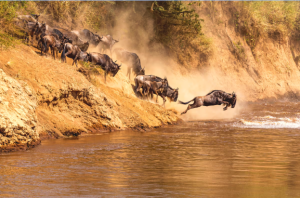
This is the headline act. From roughly July, the herds reach northern Serengeti and begin facing the Mara River. Crossing it is a high-stakes decision: steep banks, strong currents and large Nile crocodiles make every attempt dangerous.

Herds often gather at the riverbank for hours, or even days, before a leader commits and the rest follow in a surge. Some years the herds cross the Mara back and forth several times. From about August, they spend time in Kenya’s Masai Mara, which offers a second base for crossing viewing.

Keep expectations realistic. Crossings are unpredictable, and patience is part of the experience. No guide can promise one on a given day.

November to December: The Return South
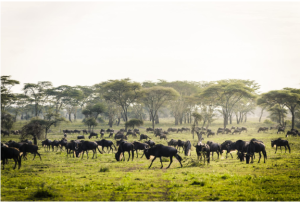
When the short rains arrive, the herds begin streaming back toward the southern Serengeti, passing through the eastern and central regions. The cycle is about to begin again. This is a quieter period with fewer visitors, good wildlife viewing and strong value, and it serves as a nice lead-in to calving season.

Serengeti or Masai Mara: Which Is Better?

Both are outstanding, and the right choice depends on timing and travel style.

The Serengeti is vast, so you can follow the herds across multiple seasons. It supports calving season and river crossings, and it offers a wide range of lodges and mobile camps that move with the animals. It tends to feel wilder and less crowded outside crossing hotspots.

The Masai Mara is more compact and easier to reach for travelers starting in Nairobi. It offers strong big-cat viewing and reliable access to Mara River crossings from late summer into early autumn. It can get busy in peak season, and the Kenyan side is best for crossings between roughly August and October.

Some travelers combine both countries for a longer trip, though this involves a border crossing and extra logistics.

Choosing Your Safari Style

Permanent Lodges and Tented Camps

These offer comfort, reliable facilities and a wide range of price points. Choose one near where the herds are expected during your dates.

Mobile Camps

Mobile camps relocate during the year to stay close to the herds. They offer a more immersive, “in the bush” experience and can place you closer to the action, often at a premium price.

Private vs. Group Safaris

A private safari gives you control over the schedule, so you can leave before dawn or stay at a sighting as long as you like. Group departures are more affordable but less flexible. For migration-focused trips, flexibility is especially valuable.

Optional Extras

A sunrise hot air balloon flight over the Serengeti or Mara is a popular add-on, offering a unique perspective of the herds. Walking safaris, where permitted, and cultural visits can round out the experience.

How Long Should You Stay?

For a focused Great Migration safari, plan for at least five to seven days, and ideally more. Wildlife viewing rewards time. If you are chasing river crossings, allow several days in the northern region, because the herds can take a long time to decide to cross. Splitting your stay between two areas can improve your odds and add variety.

Planning and Booking Tips

  • Book early. Peak migration months, especially July to October, fill up many months ahead. Popular camps can sell out nearly a year in advance.
  • Be flexible with your dates. A few days’ difference can change where the herds are.
  • Ask about herd location. A reputable operator will base your route on current movement, not just the calendar.
  • Compare inclusions. Check park fees, transfers, meals, guide, activities and internal flights before comparing prices.
  • Choose experienced guides. Skilled guides read animal behavior and know how to position the vehicle for the best view while staying respectful.
  • Review cancellation terms. Weather, flight changes and health issues can disrupt plans, so understand the policy and carry comprehensive travel insurance.

Photography Tips
Great Migration photography rewards preparation. Bring a telephoto lens, ideally in the 100-400mm range or longer, plus a wide lens for sweeping landscapes. Shoot in the golden light of early morning and late afternoon. Use a fast shutter speed for crossing action, and consider a bean bag for stable shots from the vehicle window. Keep spare batteries and memory cards handy, since you will take far more photos than you expect. Most importantly, spend time simply watching, since the best moments often come quickly and unexpectedly.

Responsible Safari Practices

The migration is a fragile natural process, and visitors should help protect it. Choose operators that follow park rules, keep vehicles from crowding river crossing points or blocking animals’ paths, and never encourage close approaches. Keep your voice low, stay in the vehicle unless told otherwise, and pack out any litter. Supporting camps that employ and train local staff helps ensure conservation benefits reach nearby communities.

Conclusion

A Great Migration safari is one of the most powerful wildlife experiences on Earth, but the best trips come from understanding it as a living cycle rather than a single show. Calving in the south, the rut in the west, and the Mara River crossings in the north each deliver a different kind of drama. By matching your travel dates to the part of the cycle you most want to see, booking early, allowing enough time and working with an operator that tracks the herds, you give yourself the best chance of witnessing something unforgettable. Whatever the season, the migration delivers scale, sound and raw natural energy that few other journeys can match.

Key Takeaways

  • The Great Migration is a continuous, clockwise cycle of about 1.5 million wildebeest plus zebra and gazelle across the Serengeti and Masai Mara.
  • January to March is calving season in the southern Serengeti and Ndutu, with intense predator activity.
  • July to October is the best window for Mara River crossings, in northern Serengeti and then the Masai Mara.
  • Crossings are unpredictable, so allow several days and avoid expecting a guaranteed sighting.
  • Book peak-season camps and lodges as early as possible, ideally many months in advance.
  • Mobile camps and private safaris offer the most flexibility to follow the herds.
  • Responsible viewing protects the animals and the experience for everyone.

Frequently Asked Questions

  1. When is the best time for a Great Migration safari?
    It depends on what you want to see. January to March is best for calving, and July to October is best for Mara River crossings. Other months offer strong wildlife viewing with fewer crowds.
  2. Can I see the Great Migration all year?
    Yes. The herds are always somewhere in the Serengeti-Mara ecosystem, so there is always activity, though the type of spectacle changes by season.
  3. Is a river crossing guaranteed?
    No. Crossings depend on the herds’ behavior, rainfall and conditions. Staying several days near crossing points improves your chances.
  4. Should I go to Tanzania or Kenya?
    Tanzania’s Serengeti offers more flexibility across seasons and includes calving. Kenya’s Masai Mara is strong for crossings from about August to October and is convenient from Nairobi. Many travelers choose based on timing and logistics.
  5. How many days do I need?
    Five to seven days is a solid minimum. Eight to ten days is better if you want to follow the herds or stay near river crossing areas.
  6. How far in advance should I book?
    For peak months, book as early as you can, ideally 9 to 12 months ahead. Off-peak trips can often be arranged with shorter notice.
  7. Is a Great Migration safari expensive?
    Costs vary widely with season, accommodation level, group size and trip length. Peak season in well-located camps costs the most. Shoulder seasons can offer better value.
  8. Are mobile camps worth it?
    They can be, especially if you want to be close to the herds and enjoy a more immersive experience. They usually cost more than standard lodges.
  9. What should I pack?
    Neutral-colored layers, a warm jacket for early mornings, sun protection, sturdy shoes, binoculars, a camera with a telephoto lens, and spare batteries. Soft luggage is easier for vehicles and small aircraft.
  10. Is the Great Migration safe to watch?
    When run by licensed, experienced operators, yes. Follow your guide’s instructions, stay inside the vehicle, and carry travel insurance that covers medical evacuation.

Latest articles

Side Tours: Discover the Best Tours and Excursions from Side, Turkey

A holiday in Side, Turkey, offers much more than beautiful beaches and relaxing days...

Bleisure in Seattle: How to Turn a Business Trip Into a Weekend Worth Remembering

More travelers are stretching work trips into short getaways, and Seattle is one of the easiest cities to do it in. The meetings end Thursday or Friday, the flight home moves to Sunday, and suddenly a routine visit becomes a chance to see mountains, islands and one of the country’s best food scenes. The key is planning both halves of the trip as one, starting with logistics: many professionals book a Seattle executive car service for the business days and simply keep the same reliable transportation in place for the weekend, so the shift from meetings to sightseeing happens without a single new booking headache. Here is how to make a “bleisure” trip to Seattle work. Check the Policy Before You Book Before extending a trip, read your company’s travel policy. Most organizations allow personal days around business travel as long as the employee covers the extra nights, meals and any added personal transportation, and the return airfare does not cost more than the original business itinerary would have. Keep business and personal expenses clearly separated from the start, and confirm in writing if you are unsure. A few minutes of clarity up front avoids awkward conversations with finance later. Pick a Base That Works for Both Halves A downtown hotel near the waterfront is usually the best compromise. It keeps you close to the main business districts, including downtown, South Lake Union and the convention center, while putting Pike Place Market, the ferry terminal and the Seattle Art Museum within a short walk. If your meetings are on the Eastside, consider splitting the stay: a few nights in Bellevue during the workweek, then a move into Seattle for the weekend. Make the Workdays Efficient The better your workdays run, the more energy you have left for the weekend. A few habits help: Group meetings by neighborhood so you are not crossing the city repeatedly. Book transportation by the hour on days with several stops, so a driver waits nearby while meetings run long. Use travel time well. A quiet car between appointments is a good place to answer email or prepare for the next conversation. Leave buffers for traffic. Bridges and highways between Seattle and the Eastside can slow down at rush hour. Friday Evening: The Switch Friday evening is when a business trip becomes a getaway. Swap the suit for a rain jacket and head to the waterfront or Pike Place Market as the vendors close up for the day. For dinner, Seattle’s seafood and Pacific Northwest cuisine shine; Capitol Hill, Belltown and Ballard all have lively restaurant scenes worth exploring. Saturday: Pick One Big Experience Most bleisure travelers get the most out of their weekend by choosing one major outing rather than trying to see everything. Mountains: Mount Rainier National Park is a long but rewarding day trip, with wildflower meadows in summer and dramatic snowy views much of the year. Closer to town, Snoqualmie Falls is an easy half-day outing. Islands: A ferry from the downtown waterfront takes you to Bainbridge Island, where walkable streets, galleries and cafés make for a relaxed afternoon with great views of the skyline on the way back. Wine country: Woodinville, northeast of the city, has dozens of tasting rooms close together. A chauffeured afternoon is the practical way to enjoy it, since nobody has to drive between tastings. Sunday: Easy Morning, Smooth Departure Keep the final day light. Visit the Olympic Sculpture Park, take a short walk around Seattle Center or enjoy a long breakfast. Then leave plenty of time for the airport. Seattle-Tacoma International Airport is busy on Sunday afternoons, and arriving relaxed is the best way to end a trip that combined work and rest. Tips for a Smooth Bleisure Trip Pack for both modes: business clothes plus layers, waterproof shoes and a light rain jacket. Book weekend activities in advance, especially popular restaurants, ferries in summer and day trips. Keep receipts organized so business and personal costs stay separate. Use one transportation provider for the whole trip to keep bookings and billing simple. Build in rest. A trip that leaves you exhausted on Monday defeats the purpose. The Bottom Line A business trip to Seattle is an opportunity hiding in plain sight. With a clear travel policy, a well-placed hotel and dependable transportation that carries over from meetings to the weekend, a few extra days can turn a work obligation into one of the best short breaks of the year.

Traveling as a Group or Family? Why an SUV Is the Smartest Ride in Seattle

Anyone who has tried to squeeze a family of five, two car seats, and a week’s worth of luggage into a standard sedan knows the frustration. Group travel brings its own set of challenges: more people, more bags, more gear, and more opinions about the schedule. In and around Seattle, where trips often combine city streets, highway stretches, and mountain roads, a full-size SUV with a professional driver solves most of those problems at once. Space Is the First Advantage The most obvious benefit of an SUV is room. Full-size models typically seat six or seven passengers comfortably, with a cargo area large enough for suitcases, strollers, and duffel bags. That means one vehicle instead of two, one pickup instead of coordinating separate rides, and no one stuck with a bag on their lap. For travelers headed to or from the airport, the cruise terminals, or a vacation rental, that extra space removes one of the biggest sources of travel stress. Everyone rides together, and everything arrives at the same time. Built for Pacific Northwest Conditions Seattle’s weather is famously wet, and the surrounding region adds hills, mountain passes, and winding rural roads to the mix. Many SUVs used in professional fleets offer four-wheel or all-wheel drive, higher ground clearance, and a sturdy, planted feel on rain-slicked pavement. These traits matter when a trip heads toward the Cascades or out to a lodge in the foothills. A higher seating position also gives passengers better views. On scenic drives along the water or through evergreen forests, that elevated vantage point adds to the experience. Who Benefits Most From an SUVFamilies With Young Children Child seats take up space, and so do strollers, diaper bags, and the snacks no family trip can do without. An SUV gives parents room to buckle kids in safely and still fit everything else. Many professional services can install car seats in advance, saving time at pickup. Ski and Outdoor Groups The mountains east of Seattle draw skiers, snowboarders, and hikers throughout the year. Snoqualmie Pass and Crystal Mountain are among the most popular destinations. Skis, poles, boots, and backpacks need serious cargo space, and an SUV handles that gear while keeping passengers comfortable on the climb. Corporate Teams Business groups traveling to meetings, offsites, or conferences often prefer to arrive together. An SUV keeps the team in one place, giving colleagues time to prepare or debrief between stops. It also makes a polished impression when pulling up to a client’s office. Cruise Passengers Travelers boarding ships in Seattle usually carry more luggage than on a typical trip. An SUV moves a couple or small family between the airport, a hotel, and the terminal with room to spare, avoiding the hassle of splitting bags across multiple vehicles. Golfers and Event Groups Golf bags, camera equipment, and event supplies all benefit from extra cargo capacity. Groups heading to a tournament, a wedding, or a venue outside the city can bring everything they need in one trip. SUV, Sedan, or Van? Choosing the right vehicle comes down to group size and how much you’re carrying: Sedans are ideal for one to three passengers with light luggage. SUVs fit small groups and families who need extra space for bags and gear. Sprinter vans suit larger groups of ten or more, or anyone who wants standing room and easy boarding. For many travelers, the SUV hits the sweet spot: spacious enough for a group, yet comfortable and refined enough for an executive or special occasion. What to Look For When Booking A reliable Seattle suv service should make the process easy and transparent. When reserving, it helps to: Share the exact passenger count, including children, so the right vehicle is assigned. List your luggage and gear, especially oversized items like skis or golf bags. Request child seats in advance if you need them, specifying the type. Provide your full itinerary, including multiple stops or wait times. Ask about licensing and insurance to confirm the company operates professionally. Comfort Inside the Cabin Luxury SUVs used for chauffeured travel typically feature leather seating, rear climate controls, ample legroom in the second row, and quiet cabins that make longer drives pleasant. Charging ports keep devices powered, and tinted rear windows add privacy. For families, that comfort means calmer kids. For business travelers, it means a workspace on wheels. A Practical Choice That Feels Like an Upgrade Group travel doesn’t have to be a juggling act. With a professional driver and a full-size SUV, families, teams, and friends can travel together with all their belongings, arrive at the same time, and enjoy the ride. In a region where adventures range from downtown dinners to mountain getaways, an SUV is the one vehicle that handles it all.

3 Day Marrakech to Sahara Desert Tour: An Unforgettable Moroccan Adventure

Morocco is a country full of extraordinary landscapes, fascinating history, and unforgettable cultural experiences....

More like this

Side Tours: Discover the Best Tours and Excursions from Side, Turkey

A holiday in Side, Turkey, offers much more than beautiful beaches and relaxing days...

Bleisure in Seattle: How to Turn a Business Trip Into a Weekend Worth Remembering

More travelers are stretching work trips into short getaways, and Seattle is one of the easiest cities to do it in. The meetings end Thursday or Friday, the flight home moves to Sunday, and suddenly a routine visit becomes a chance to see mountains, islands and one of the country’s best food scenes. The key is planning both halves of the trip as one, starting with logistics: many professionals book a Seattle executive car service for the business days and simply keep the same reliable transportation in place for the weekend, so the shift from meetings to sightseeing happens without a single new booking headache. Here is how to make a “bleisure” trip to Seattle work. Check the Policy Before You Book Before extending a trip, read your company’s travel policy. Most organizations allow personal days around business travel as long as the employee covers the extra nights, meals and any added personal transportation, and the return airfare does not cost more than the original business itinerary would have. Keep business and personal expenses clearly separated from the start, and confirm in writing if you are unsure. A few minutes of clarity up front avoids awkward conversations with finance later. Pick a Base That Works for Both Halves A downtown hotel near the waterfront is usually the best compromise. It keeps you close to the main business districts, including downtown, South Lake Union and the convention center, while putting Pike Place Market, the ferry terminal and the Seattle Art Museum within a short walk. If your meetings are on the Eastside, consider splitting the stay: a few nights in Bellevue during the workweek, then a move into Seattle for the weekend. Make the Workdays Efficient The better your workdays run, the more energy you have left for the weekend. A few habits help: Group meetings by neighborhood so you are not crossing the city repeatedly. Book transportation by the hour on days with several stops, so a driver waits nearby while meetings run long. Use travel time well. A quiet car between appointments is a good place to answer email or prepare for the next conversation. Leave buffers for traffic. Bridges and highways between Seattle and the Eastside can slow down at rush hour. Friday Evening: The Switch Friday evening is when a business trip becomes a getaway. Swap the suit for a rain jacket and head to the waterfront or Pike Place Market as the vendors close up for the day. For dinner, Seattle’s seafood and Pacific Northwest cuisine shine; Capitol Hill, Belltown and Ballard all have lively restaurant scenes worth exploring. Saturday: Pick One Big Experience Most bleisure travelers get the most out of their weekend by choosing one major outing rather than trying to see everything. Mountains: Mount Rainier National Park is a long but rewarding day trip, with wildflower meadows in summer and dramatic snowy views much of the year. Closer to town, Snoqualmie Falls is an easy half-day outing. Islands: A ferry from the downtown waterfront takes you to Bainbridge Island, where walkable streets, galleries and cafés make for a relaxed afternoon with great views of the skyline on the way back. Wine country: Woodinville, northeast of the city, has dozens of tasting rooms close together. A chauffeured afternoon is the practical way to enjoy it, since nobody has to drive between tastings. Sunday: Easy Morning, Smooth Departure Keep the final day light. Visit the Olympic Sculpture Park, take a short walk around Seattle Center or enjoy a long breakfast. Then leave plenty of time for the airport. Seattle-Tacoma International Airport is busy on Sunday afternoons, and arriving relaxed is the best way to end a trip that combined work and rest. Tips for a Smooth Bleisure Trip Pack for both modes: business clothes plus layers, waterproof shoes and a light rain jacket. Book weekend activities in advance, especially popular restaurants, ferries in summer and day trips. Keep receipts organized so business and personal costs stay separate. Use one transportation provider for the whole trip to keep bookings and billing simple. Build in rest. A trip that leaves you exhausted on Monday defeats the purpose. The Bottom Line A business trip to Seattle is an opportunity hiding in plain sight. With a clear travel policy, a well-placed hotel and dependable transportation that carries over from meetings to the weekend, a few extra days can turn a work obligation into one of the best short breaks of the year.

Traveling as a Group or Family? Why an SUV Is the Smartest Ride in Seattle

Anyone who has tried to squeeze a family of five, two car seats, and a week’s worth of luggage into a standard sedan knows the frustration. Group travel brings its own set of challenges: more people, more bags, more gear, and more opinions about the schedule. In and around Seattle, where trips often combine city streets, highway stretches, and mountain roads, a full-size SUV with a professional driver solves most of those problems at once. Space Is the First Advantage The most obvious benefit of an SUV is room. Full-size models typically seat six or seven passengers comfortably, with a cargo area large enough for suitcases, strollers, and duffel bags. That means one vehicle instead of two, one pickup instead of coordinating separate rides, and no one stuck with a bag on their lap. For travelers headed to or from the airport, the cruise terminals, or a vacation rental, that extra space removes one of the biggest sources of travel stress. Everyone rides together, and everything arrives at the same time. Built for Pacific Northwest Conditions Seattle’s weather is famously wet, and the surrounding region adds hills, mountain passes, and winding rural roads to the mix. Many SUVs used in professional fleets offer four-wheel or all-wheel drive, higher ground clearance, and a sturdy, planted feel on rain-slicked pavement. These traits matter when a trip heads toward the Cascades or out to a lodge in the foothills. A higher seating position also gives passengers better views. On scenic drives along the water or through evergreen forests, that elevated vantage point adds to the experience. Who Benefits Most From an SUVFamilies With Young Children Child seats take up space, and so do strollers, diaper bags, and the snacks no family trip can do without. An SUV gives parents room to buckle kids in safely and still fit everything else. Many professional services can install car seats in advance, saving time at pickup. Ski and Outdoor Groups The mountains east of Seattle draw skiers, snowboarders, and hikers throughout the year. Snoqualmie Pass and Crystal Mountain are among the most popular destinations. Skis, poles, boots, and backpacks need serious cargo space, and an SUV handles that gear while keeping passengers comfortable on the climb. Corporate Teams Business groups traveling to meetings, offsites, or conferences often prefer to arrive together. An SUV keeps the team in one place, giving colleagues time to prepare or debrief between stops. It also makes a polished impression when pulling up to a client’s office. Cruise Passengers Travelers boarding ships in Seattle usually carry more luggage than on a typical trip. An SUV moves a couple or small family between the airport, a hotel, and the terminal with room to spare, avoiding the hassle of splitting bags across multiple vehicles. Golfers and Event Groups Golf bags, camera equipment, and event supplies all benefit from extra cargo capacity. Groups heading to a tournament, a wedding, or a venue outside the city can bring everything they need in one trip. SUV, Sedan, or Van? Choosing the right vehicle comes down to group size and how much you’re carrying: Sedans are ideal for one to three passengers with light luggage. SUVs fit small groups and families who need extra space for bags and gear. Sprinter vans suit larger groups of ten or more, or anyone who wants standing room and easy boarding. For many travelers, the SUV hits the sweet spot: spacious enough for a group, yet comfortable and refined enough for an executive or special occasion. What to Look For When Booking A reliable Seattle suv service should make the process easy and transparent. When reserving, it helps to: Share the exact passenger count, including children, so the right vehicle is assigned. List your luggage and gear, especially oversized items like skis or golf bags. Request child seats in advance if you need them, specifying the type. Provide your full itinerary, including multiple stops or wait times. Ask about licensing and insurance to confirm the company operates professionally. Comfort Inside the Cabin Luxury SUVs used for chauffeured travel typically feature leather seating, rear climate controls, ample legroom in the second row, and quiet cabins that make longer drives pleasant. Charging ports keep devices powered, and tinted rear windows add privacy. For families, that comfort means calmer kids. For business travelers, it means a workspace on wheels. A Practical Choice That Feels Like an Upgrade Group travel doesn’t have to be a juggling act. With a professional driver and a full-size SUV, families, teams, and friends can travel together with all their belongings, arrive at the same time, and enjoy the ride. In a region where adventures range from downtown dinners to mountain getaways, an SUV is the one vehicle that handles it all.