
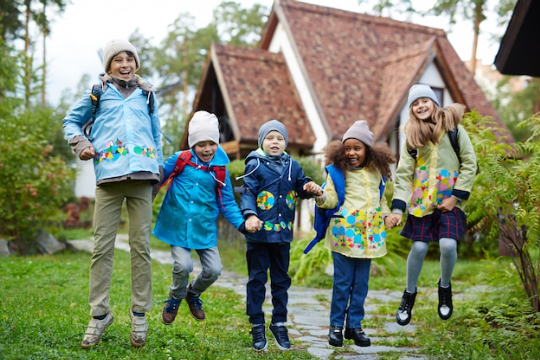

Summer camp provides an incredible opportunity for children to explore new interests, build friendships, and develop confidence in a supportive environment. For adopted children, attending a summer camp for adopted children can be especially beneficial, offering a safe and understanding space to express themselves and connect with peers who share similar experiences. Camps like these combine fun activities with emotional support, making it a rewarding experience for both children and their families.
1. Team-Building Games
Team-building activities are an essential part of any summer camp, and they are particularly meaningful for adopted children. Games like obstacle courses, group challenges, and trust exercises encourage children to work together, communicate effectively, and develop empathy.
These activities foster a sense of belonging and community, helping children build relationships with peers while boosting confidence and social skills.
2. Arts and Crafts
Arts and crafts are a creative outlet that allows children to express their feelings and imagination. At a summer camp for adopted children, projects like painting, pottery, jewelry-making, and collages provide a way to explore identity, culture, and personal interests.
These activities can also be therapeutic, helping children process emotions and celebrate their unique stories in a supportive environment.
3. Outdoor Adventure Activities
Outdoor activities such as hiking, canoeing, rock climbing, and nature scavenger hunts are staples of summer camp. They promote physical fitness, resilience, and self-confidence.
For adopted children, outdoor adventures can be empowering, giving them opportunities to challenge themselves, learn problem-solving skills, and experience the joy of exploration alongside supportive peers and mentors.
4. Group Discussions and Sharing Circles
In addition to physical and creative activities, emotional support is a key component of camps designed for adopted children. Sharing circles and group discussions allow children to talk openly about their experiences, feelings, and questions regarding adoption. Facilitated by trained counselors, these sessions help children build self-awareness, empathy, and trust.
5. Sports and Recreational Games
Sports and recreational games such as soccer, basketball, relay races, and swimming offer fun, energetic ways for children to stay active and build teamwork skills.
Participating in friendly competitions helps adopted children develop confidence, perseverance, and a sense of accomplishment. The supportive camp environment ensures that every child can enjoy the games, regardless of skill level.
6. Talent Shows and Performance Activities
Talent shows, skits, music, and dance performances are exciting ways for children to showcase their creativity and individuality. These activities encourage self-expression and help children build confidence in front of an audience.
For adopted children, performing and receiving positive feedback from peers can be particularly affirming and empowering.
Conclusion
A summer camp for adopted children provides more than just fun, it creates a supportive and nurturing environment where children can grow emotionally, socially, and physically. Team-building games, arts and crafts, outdoor adventures, sharing circles, sports, and performance activities all contribute to building confidence, self-expression, and meaningful connections. By offering both recreational and emotional support, these camps help adopted children thrive, create lasting memories, and strengthen their sense of identity and belonging. Attending such a camp can be a transformative experience that combines joy, learning, and personal growth.