


Tanzania stands apart. In a world increasingly tamed by human hands, this East African nation remains one of the last places on Earth where wilderness reigns supreme — raw, vast, and breathtakingly alive. Spanning over 945,000 square kilometers, Tanzania is home to nearly 40% of its land area protected as national parks, game reserves, and conservation areas. It is the birthplace of the Serengeti, the cradle of the Great Migration, and the stage upon which nature performs its most dramatic spectacles daily.
An African safari in Tanzania is not merely a holiday. It is a pilgrimage into the deep rhythms of the natural world — where lions doze beneath acacia trees at noon, where herds of wildebeest stretch to the horizon, and where the ancient volcanic crater of Ngorongoro shelters one of the densest concentrations of wildlife on the planet. For the seasoned traveler and the first-time adventurer alike, Tanzania offers an encounter with wild Africa that fundamentally changes the way one sees the world.
This guide unpacks everything you need to know: the key destinations, the best times to visit, what to expect on game drives, cultural dimensions of the safari experience, and practical planning advice to help you make the most of this once-in-a-lifetime journey.
The Crown Jewels: Tanzania’s Premier Safari Destinations
Serengeti National Park
No African safari in Kenya and Tanzania discussion begins anywhere other than the Serengeti. Covering approximately 14,763 square kilometers of open savanna, woodland, and riverine forest, the Serengeti is Tanzania’s oldest and most celebrated national park, inscribed as a UNESCO World Heritage Site since 1981. Its name derives from the Maasai word Siringet, meaning “the place where the land runs on forever” — and the description holds.
The Serengeti’s most iconic attraction is the Great Migration, the largest overland wildlife movement on Earth. Each year, roughly 1.5 million wildebeest, 400,000 zebra, and 200,000 gazelle travel in a circular route across the Serengeti and into Kenya’s Maasai Mara in search of fresh grazing. The drama peaks between July and October when massive herds cross the crocodile-filled Mara River — a scene of pure, primal intensity. Equally remarkable are the calving season between January and March, when thousands of wildebeest calves are born daily, attracting a cascade of predators.
Beyond the Migration, the Serengeti offers exceptional big cat sightings year-round. Lion prides are large and frequently spotted; cheetahs are among the most visible in Africa; and leopards drape themselves across fever trees along the Seronera River.
Ngorongoro Conservation Area
Often called the “Eighth Wonder of the World,” the Ngorongoro Crater is the world’s largest intact volcanic caldera, formed approximately 2–3 million years ago. The crater floor covers 260 square kilometers and sits at an elevation of around 1,800 meters, enclosed by crater walls that rise a further 600 meters. Within this natural amphitheater lives a permanently resident population of approximately 25,000 large animals.
What makes Ngorongoro extraordinary is density. Animals rarely leave the crater floor — there is no need. Visitors encounter the full Big Five (lion, leopard, elephant, buffalo, and black rhino) within a single game drive, making it arguably the finest wildlife-viewing arena on the continent. The critically endangered black rhinoceros, increasingly rare elsewhere in Africa, is regularly spotted here.
The conservation area also encompasses the Olduvai Gorge, one of the most important paleoanthropological sites in the world, where the remains of early hominins have been discovered, offering a profound connection to human prehistory.
Tarangire National Park
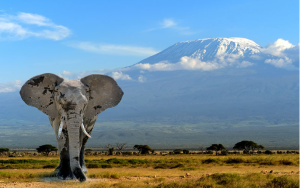
Tarangire is Tanzania’s best-kept secret. Less visited than the Serengeti but arguably more intimate and diverse, Tarangire National Park is renowned for its enormous elephant herds — some of the largest in Africa — and its surreal landscape dotted with ancient baobab trees, some over 1,000 years old.
During the dry season (June to October), the Tarangire River becomes a lifeline for wildlife across the surrounding ecosystem, drawing thousands of animals into the park. The resulting game viewing — wildebeest, buffalo, zebra, giraffes, and elephants converging on a single river system — rivals anything found in more famous parks.
Lake Manyara National Park
Compact but extraordinary, Lake Manyara National Park is celebrated for its tree-climbing lions, an unusual behavioral adaptation first documented here. The park’s alkaline soda lake draws hundreds of thousands of flamingos, coating the shoreline in a vivid wash of pink. Hippos lounge in the shallows, enormous flocks of pelicans patrol the water, and the groundwater forest at the park’s entrance harbors baboons, blue monkeys, and a profusion of bird life.
Ruaha and Selous: The Wilderness Frontier
For travelers seeking seclusion and raw, unfiltered wilderness, southern Tanzania’s Ruaha National Park and the vast Nyerere National Park (formerly the Selous Game Reserve) offer a dramatically different experience. Ruaha is Tanzania’s largest national park and supports exceptional populations of wild dogs, lions, elephants, and raptors. Nyerere — covering over 50,000 square kilometers — is one of the largest protected areas in Africa and remains almost entirely wilderness. Boat safaris along the Rufiji River offer a uniquely immersive perspective available nowhere in the northern circuit.
The Great Migration: Nature’s Greatest Show
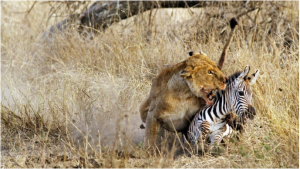
The Great Migration operates on a continuous annual cycle governed by rainfall and grass growth. Understanding its rhythms helps travelers plan their visit:
January – March (Calving Season, Southern Serengeti): The southern Serengeti’s short grass plains fill with wildebeest giving birth. Up to 8,000 calves are born per day, and predators — cheetah, lion, hyena, wild dog — gather in unprecedented numbers.
April – June (The Long Rains, Moving North): The herds move northwest through the Serengeti’s central and western corridors. This is a quieter, greener season with fewer visitors.
July – October (River Crossings, Northern Serengeti): The herds reach the Mara River, which they must cross multiple times to reach fresh grazing in Kenya’s Maasai Mara. Crocodiles await. These crossings are the defining image of African wildlife and the reason many travelers specifically plan visits during this window.
November – December (Return South): Short rains trigger the return migration southward to the plains.
Safari Experiences Beyond the Game Drive
An African safari in Uganda and Tanzania offers far more than game drives, rich as those are.
Walking Safaris in Ruaha or Selous allow guests to experience the bush on foot, guided by armed rangers who interpret tracks, plants, insects, and animal behavior at ground level — an entirely different and deeply rewarding form of wildlife encounter.
Hot Air Balloon Safaris over the Serengeti at dawn offer a perspective unavailable from any vehicle: the vast sweep of the plains, herds moving below, and the silence of the sky broken only by the occasional burst of the balloon’s burner.
Cultural Encounters with the Maasai enrich the safari experience immeasurably. The Maasai have coexisted with wildlife across the Serengeti ecosystem for centuries. Village visits, guided by Maasai elders and warriors, offer authentic insight into pastoral life, traditional medicine, and the deeply spiritual relationship between the Maasai and the natural world.
Zanzibar Extension: Many visitors combine their safari with a stay on the island of Zanzibar — a 90-minute flight from the northern circuit. The UNESCO-listed Stone Town, pristine Indian Ocean beaches, and the island’s rich Swahili culture create a perfect counterpoint to the intensity of the bush.
Best Time to Visit
Tanzania’s wildlife is exceptional year-round, but the experience varies significantly by season.
The dry season (June to October) is peak safari time. Vegetation is sparse, animals concentrate around water sources, and game viewing is at its most reliable. This is also the window for Mara River crossings.
The green season (November to May) brings lush landscapes, newborn animals, fewer tourists, and significantly lower rates. Birdwatching is extraordinary during the wet months, with migratory species present. The Calving Season (January–March) is one of the most compelling wildlife events of the year, largely underappreciated by mainstream tourism.
Key Takeaways
- Tanzania hosts some of the world’s largest and most diverse protected ecosystems, covering nearly 40% of its national territory.
- The Serengeti’s Great Migration is the largest overland wildlife movement on Earth, involving approximately 2 million animals annually.
- Ngorongoro Crater is the finest single game-viewing arena in Africa, offering regular Big Five sightings including the rare black rhino.
- Tarangire and Bwindi forest National Park is an underrated gem with exceptional elephant populations and spectacular baobab landscapes.
- Southern Tanzania (Ruaha, Nyerere) offers remote, exclusive wilderness experiences ideal for adventurous travelers seeking solitude.
- Peak season is June to October for the best game viewing and Migration river crossings; January to March is ideal for Calving Season.
- Tanzania’s safari experience extends beyond game drives to include walking safaris, balloon flights, cultural encounters, and coastal extensions.
- Conservation is central to Tanzania’s safari model — much of the revenue from park fees and lodges directly funds anti-poaching and community wildlife programs.
Frequently Asked Questions
Q: How many days should I spend on safari in Tanzania? A: A minimum of 7–10 days is recommended to visit at least two or three parks without feeling rushed. Many travelers opt for 12–14 days to include a Zanzibar extension. The Serengeti alone warrants at least three nights to absorb its scale and increase the likelihood of witnessing predator activity.
Q: Is Tanzania safe for tourists? A: Tanzania is one of East Africa’s most politically stable nations and is considered safe for tourists. Standard travel precautions apply — avoid displaying valuables, follow your guide’s instructions at all times, and use reputable licensed operators. Health precautions include malaria prophylaxis, yellow fever vaccination (required for entry from endemic countries), and recommended immunizations against typhoid and hepatitis A.
Q: What is the best safari lodge type — permanent lodge or tented camp? A: Both offer outstanding experiences. Permanent lodges provide more comfort and are ideal for families or those who prefer more amenities. Mobile and semi-permanent tented camps position guests directly in wildlife corridors, often inside exclusive concessions inaccessible to day visitors, offering more intimate and immersive game viewing. Many itineraries mix both.
Q: Can I self-drive on a Tanzania safari? A: Self-drive is technically possible in Tanzania’s parks, but it is strongly discouraged. Roads in many areas are unmarked and challenging; guides possess invaluable knowledge of animal behavior, tracking, and park geography; and navigating certain parks (especially during the wet season) without an experienced driver is genuinely risky. A qualified guide transforms a good safari into an extraordinary one.
Q: What should I pack for a Tanzania safari? A: Key essentials include neutral-colored clothing (khaki, olive, beige — avoid blue, which attracts tsetse flies), a wide-brimmed hat, high-SPF sunscreen, a quality pair of binoculars, insect repellent containing DEET, and a good camera with a telephoto lens. Layers are important — mornings and evenings in the Serengeti and Ngorongoro can be surprisingly cold.
Q: How do safari park fees work? A: An African safari in Congo and Tanzania charges conservation fees for entry into its national parks, paid through the TANAPA (Tanzania National Parks Authority) electronic payment system. Fees vary by park and season and are typically included in the cost of a packaged safari. The Ngorongoro Conservation Area has a separate fee structure. These fees fund park management, anti-poaching patrols, and community support programs.
Q: Is Tanzania good for first-time safari travelers? A: Absolutely. Tanzania’s well-developed northern circuit (Serengeti, Ngorongoro, Tarangire, Manyara) is exceptionally accessible and well-supported by world-class lodges and experienced operators. The infrastructure makes it one of the most welcoming safari destinations in Africa for first-timers, while the wildlife density ensures that even a short visit delivers unforgettable encounters.
Conclusion
A Rwanda safari Africa and safari in Tanzania is an experience that resists ordinary language. There are few moments in life that match the sight of a lion pride moving through golden grass at dawn, or the thunderous crossing of ten thousand wildebeest through a crocodile-filled river, or the silence of standing on the rim of the Ngorongoro Crater looking down at a world that has remained largely unchanged for millennia.
Tanzania is not simply a destination — it is a reminder. A reminder that wildness still exists, that the natural world operates by rhythms older than human memory, and that we are, at our deepest level, animals among animals. The safari experience does not just entertain; it reconnects.
For those who seek it, Tanzania’s wilderness awaits — vast, uncompromising, and magnificent. Plan well, go with curiosity and humility, and let the African bush do the rest.