
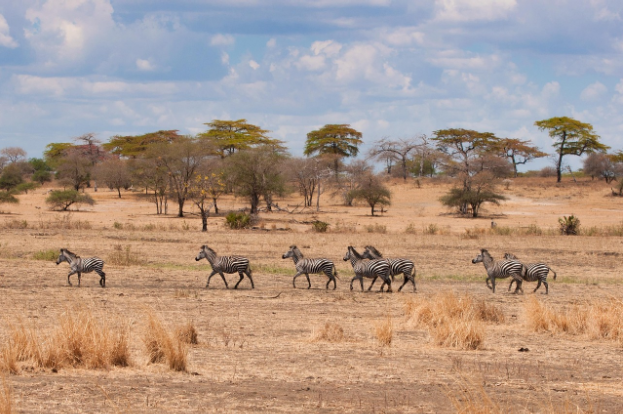

The Serengeti National Park stands as one of Earth’s most iconic wildlife destinations, home to the Great Migration, abundant predators, and endless golden plains that epitomize the African safari experience. Many travelers assume Serengeti safaris remain exclusively for luxury budgets, but this couldn’t be further from reality. Affordable Serengeti safari packages make this spectacular destination accessible to budget-conscious travelers without compromising the core wildlife viewing experience. This comprehensive guide reveals how to explore the Serengeti affordably while still witnessing its incredible natural wonders.
Why the Serengeti is Worth Every Penny
Before exploring budget options, understanding what makes the Serengeti special helps justify even modest safari investments. The Serengeti ecosystem spans approximately 12,000 square miles of pristine wilderness hosting over 1.5 million wildebeest, 200,000 zebras, 300,000 Thomson’s gazelles, and dense concentrations of predators including lions, leopards, cheetahs, and hyenas.
The Great Migration represents nature’s most spectacular wildlife event. This year-round circular movement sees millions of animals traversing the ecosystem following rainfall and fresh grazing. Witnessing river crossings where thousands of wildebeest brave crocodile-infested waters creates unforgettable memories. Budget safaris access identical viewing opportunities as luxury alternatives—the animals don’t discriminate based on accommodation type.
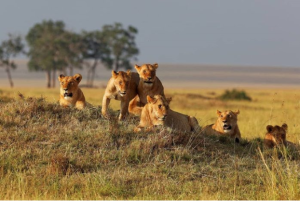
Exceptional Predator Viewing occurs year-round throughout the Serengeti. The park hosts Africa’s highest density of lions and cheetahs, offering virtually guaranteed big cat sightings. Leopards rest in acacia trees, hyena clans patrol territories, and wild dogs hunt in packs. These encounters happen regardless of safari budget.
Diverse Landscapes range from endless short-grass plains in the south to wooded hills in the west and kopjes (rocky outcrops) scattered throughout. Each zone offers unique ecosystems and wildlife concentrations, providing varied experiences even on budget itineraries focusing on specific regions.
Understanding Affordable Serengeti Package Options
Affordable Serengeti packages fall into three main categories, each delivering authentic experiences at different price points.
Budget Camping Safaris represent the most economical option at $180-280 per person per day. These packages utilize public campsites within the Serengeti, offering basic but authentic wilderness experiences. Travelers sleep in tents (provided by operators), share basic toilet facilities, and enjoy simple but adequate meals prepared by safari cooks. Despite basic accommodations, camping safaris employ qualified guides, visit prime wildlife areas, and maximize game drive time.
Budget Lodge Safaris cost approximately $250-380 per person per day, using basic lodges at park boundaries or simple tented camps inside the park. These properties provide en-suite bathrooms, comfortable beds, protection from elements, and slightly upgraded meals compared to camping options. Budget lodges like Seronera Wildlife Lodge or Kati Kati Camp offer decent facilities without luxury pricing.
Mid-Range Budget Packages bridge the gap between basic and luxury at $400-550 per person per day. These safaris feature comfortable tented camps with proper facilities, smaller group sizes, and better meal quality while costing significantly less than high-end luxury lodges. Properties like Serengeti Heritage Camp or Kenzan Tented Camp deliver excellent value.
Breaking Down Serengeti Safari Costs
Understanding cost components helps identify where budget packages achieve savings.
Serengeti Park Fees are non-negotiable at $70 per adult per day. Every visitor pays these conservation fees regardless of accommodation type or tour operator. For a 3-day Serengeti safari, park fees alone total $210 per person—a substantial portion of budget packages.
Accommodation creates the largest cost variable. Public campsites charge approximately $30-50 per person per night, while budget lodges inside the park cost $80-150 per person nightly. Luxury lodges, by contrast, charge $400-1,500+ per person per night. This accommodation differential allows budget packages to slash overall costs while maintaining wildlife viewing quality.
Ngorongoro Conservation Area Fees add $70 per person when packages combine Serengeti with Ngorongoro Crater (most do). Additionally, vehicle fees of approximately $200-300 apply when transiting through the Ngorongoro Conservation Area to reach Serengeti.
Transportation Costs include vehicle rental, fuel (significant given distances involved), and driver expenses. Group safaris spreading these costs among 6 participants achieve substantial per-person savings compared to private arrangements where couples or families absorb full transportation expenses.
Guide Wages and Meals add operational costs regardless of package tier. Quality operators pay guides fairly and provide adequate provisions, though budget packages optimize these expenses through efficient planning rather than compromising guide quality.
Popular Affordable Serengeti Package Itineraries
3-Day Serengeti and Ngorongoro Budget Safari represents the shortest viable option at $650-1,100 per person. This condensed itinerary typically includes one full day in Serengeti (Seronera area), one day in Ngorongoro Crater, and partial days for travel to/from Arusha. While rushed, it delivers essential Serengeti experiences for extremely budget-conscious travelers.
4-Day Serengeti Camping Safari costs approximately $900-1,400 per person and provides more satisfying experiences. Itineraries usually include one day in Tarangire or Lake Manyara, one day in Ngorongoro Crater, and 1.5-2 days in Serengeti. The additional time allows experiencing different Serengeti zones and increasing wildlife encounter opportunities.
5-Day Northern Circuit Budget Package ranging from $1,200-1,900 per person represents optimal value for first-time visitors. These packages typically feature Tarangire (1 day), Serengeti (2 days), Ngorongoro Crater (1 day), and travel days, providing comprehensive northern Tanzania experiences without feeling rushed. Five days allows visiting multiple Serengeti zones and witnessing diverse wildlife behaviors.
6-Day Serengeti Migration Safari costs $1,500-2,400 per person and focuses on maximizing Serengeti time during peak migration months (June-October or January-March). These packages position travelers in optimal migration zones—western corridor for river crossings, northern Serengeti for Mara River crossings, or southern plains for calving season. The extended Serengeti time justifies slightly higher costs for migration-focused travelers.
7-Day Grand Northern Circuit priced at $1,800-2,800 per person combines all major northern parks with substantial Serengeti time. Itineraries typically include Lake Manyara (1 day), Tarangire (1 day), Serengeti (3 days), and Ngorongoro Crater (1 day), plus travel days. This comprehensive package suits travelers wanting thorough northern Tanzania exploration on moderate budgets.
 Seasonal Pricing and Best Value Periods
Serengeti safari costs fluctuate significantly based on seasonality, creating opportunities for substantial savings.
Peak Season (June-October, December-February) commands premium pricing due to optimal wildlife viewing and Great Migration spectacle. Budget packages during these months cost 20-40% more than low season rates. However, wildlife concentrations and migration viewing justify higher investments for travelers prioritizing these experiences.
Shoulder Season (November, March) offers excellent value with 15-25% lower prices than peak season while maintaining good wildlife viewing. November sees the wildebeest migration transitioning from northern to southern Serengeti, while March features migration movements northward. Both periods provide fewer tourists and green landscapes while avoiding heavy rains.
Low Season (April-May) delivers maximum savings at 30-50% below peak rates. April typically brings heavy afternoon rains, while May sees lighter rainfall with incredible green scenery. Wildlife viewing remains excellent—animals still need food and water—and parks are virtually empty. Budget travelers willing to accept possible afternoon showers find exceptional value. A $1,800 peak-season 5-day safari might cost just $900-1,200 during April.
Migration Timing influences value calculations. Witnessing river crossings (July-October in northern Serengeti) or calving season (January-February in southern Serengeti) justifies peak season pricing for many travelers. However, the Serengeti offers exceptional wildlife viewing year-round, making low-season visits equally rewarding for budget-conscious travelers not fixated on specific migration events.
Strategies for Finding Affordable Serengeti Packages
Join Guaranteed Departure Group Safaris rather than booking private tours. Reputable operators run scheduled group departures with fixed dates, allowing individuals and couples to join without organizing full groups. Sharing vehicles and costs with 4-6 travelers reduces per-person expenses by 40-60% compared to private safaris.
Book Directly with Tanzanian Operators eliminating international agency markups of 20-40%. Many excellent local operators maintain professional websites, communicate effectively via email/WhatsApp, and accept secure international payments. Direct booking also enables clearer communication about expectations and inclusions.
Travel During Low Season if schedule flexibility exists. April-May safaris cost dramatically less while still delivering excellent wildlife experiences. The trade-off—possible afternoon rains and muddier roads—is acceptable for many budget travelers.
Focus on Specific Serengeti Regions rather than trying to cover the entire park. Budget packages can reduce driving time and fuel costs by concentrating on specific zones like central Seronera (year-round wildlife) or seasonal migration areas. This focused approach maintains quality while reducing overall package costs.
Compare Multiple Operators Thoroughly requesting detailed quotes from 4-6 companies. Ensure comparisons account for identical inclusions—accommodation types, number of game drives, meal plans, and group sizes. The cheapest option often cuts corners on crucial elements like guide quality or vehicle maintenance.
Book Well in Advance for peak season travel, as budget accommodations have limited availability and sell out 4-8 months ahead. Advance booking also sometimes yields early-bird discounts. For low season, last-minute deals (2-4 weeks before departure) occasionally offer significant savings as operators fill remaining safari slots.
Negotiate Package Components when booking directly. Some operators offer flexibility in accommodation choices, allowing travelers to select camping in some locations and budget lodges in others, optimizing comfort versus cost based on personal priorities.
What Budget Packages Include and Exclude
Understanding inclusions prevents unpleasant surprises and allows accurate budget planning.
Typically Included: All park entrance fees (Serengeti, Ngorongoro, and any other parks visited), conservation fees, accommodation as specified (camping or budget lodges), all meals during safari (breakfast, lunch, dinner), drinking water during game drives, game drives as per itinerary, services of professional English-speaking guide, safari vehicle (4×4 Land Cruiser with pop-up roof), and airport transfers on safari start/end days.
Usually Excluded: International flights to Tanzania, Tanzania visa fees ($50-100 depending on nationality), travel insurance, tips for guides ($15-20 per day) and camp staff ($5-10 per day), alcoholic beverages and soft drinks, optional activities like Maasai village visits ($20-50) or Olduvai Gorge museum ($35), and personal items and souvenirs.
Accommodation Standards in Budget Packages: Public campsites provide designated camping areas with pit toilets and limited washing facilities—basic but functional. Special campsites offer slightly better facilities with occasional showers. Budget lodges and tented camps feature simple rooms or tents with beds, basic en-suite bathrooms (usually cold water), and simple meal services. While far from luxurious, these accommodations provide adequate rest after exciting game drives.
 Choosing Reputable Budget Operators
Quality varies significantly among budget safari operators, making careful selection essential.
Verify Licensing and Credentials by confirming registration with Tanzania Tourist Board and membership in TATO (Tanzania Association of Tour Operators). Licensed operators maintain proper insurance, employ qualified guides, and adhere to safety standards regardless of price tier.
Examine Online Reviews Carefully across multiple platforms (TripAdvisor, SafariBookings, Google Reviews), focusing specifically on budget safari experiences. Look for consistent patterns in feedback about guide expertise, vehicle conditions, food quality, and hidden costs. A few negative reviews among hundreds of positive ones are normal; numerous recent complaints signal problems.
Request Comprehensive Itineraries detailing specific campsites or lodges, exact number of game drives, meal plans, and any additional costs. Reputable operators provide transparent, detailed information. Vague itineraries or reluctance to specify accommodations suggest potential issues.
Assess Communication Quality during the booking process. Responsive, professional, patient communication usually indicates reliable service throughout your safari. Operators who answer questions thoroughly, provide detailed proposals, and communicate clearly likely deliver quality experiences.
Understand Realistic Cost Floors for legitimate Serengeti safaris. Given non-negotiable park fees ($70/day), accommodation minimums ($30-50 for camping), vehicle costs, and guide wages, any 3-day Serengeti package priced below $500-600 per person raises serious red flags about quality, inclusions, or legitimacy.
Maximizing Your Budget Serengeti Experience
Maintain Realistic Expectations about accommodation comfort while expecting excellent wildlife viewing and professional guiding. Budget safaris deliver authentic Serengeti experiences—the wildlife doesn’t differentiate between vehicle types.
Pack Appropriately to enhance comfort. Camping safaris benefit from bringing quick-dry towels, headlamps, portable chargers, wet wipes, and favorite snacks to supplement basic meals. Proper preparation compensates for limited amenities.
Engage Actively with Your Guide by asking questions, expressing interests, and participating enthusiastically in wildlife spotting. Quality guides appreciate engaged clients and often enhance experiences accordingly.
Be Flexible and Patient when minor challenges arise. Budget safaris occasionally face issues—vehicle breakdowns, basic meals, simple facilities—that luxury operations handle with more resources. Positive attitudes ensure enjoyable experiences despite inevitable imperfections.
Focus on the Experience rather than amenities. Spectacular sunrises over Serengeti plains, lions hunting, and elephants migrating create memories far more valuable than luxury bedding or gourmet meals. Budget travelers often report higher satisfaction than luxury counterparts because lower expectations are dramatically exceeded by the Serengeti’s magnificence.
Key Takeaways
- Affordable Serengeti safari packages cost $180-380 per person per day depending on accommodation type
- Three-day budget Serengeti safaris start around $650-1,100 per person, while 5-day packages cost $1,200-1,900
- Non-negotiable Serengeti park fees of $70 per adult per day represent 25-35% of total budget safari costs
- Camping safaris deliver identical wildlife viewing to luxury lodges at 40-60% lower costs
- Low season travel (April-May) offers 30-50% savings with excellent wildlife viewing despite possible afternoon rains
- Group safaris reduce individual costs by 40-60% compared to private vehicle arrangements
- Booking directly with Tanzanian operators eliminates 20-40% international agency markups
- Budget packages typically include park fees, accommodations, all meals, game drives, and professional guides
- Reputable budget operators still maintain safety standards, employ qualified guides, and use reliable vehicles
- Five to seven days represents optimal duration for comprehensive yet affordable Serengeti experiences
- Shoulder season (November, March) provides best value-to-experience ratio with 15-25% savings and good conditions
- Total budget including all expenses ranges $1,500-3,000 per person for quality 5-day Serengeti safaris
Frequently Asked Questions
Q: How much does a budget Serengeti safari really cost? A: Genuine budget Serengeti camping safaris cost $180-280 per person per day, while budget lodge options run $250-380 daily. For a typical 5-day package visiting Serengeti, Ngorongoro Crater, and Tarangire, expect $1,200-1,900 per person camping or $1,500-2,400 for budget lodges. Including visas, tips, and extras, total costs reach $1,800-3,000 per person.
Q: Is it possible to visit the Serengeti for under $1,000? A: Yes, but only with extremely short itineraries or significant compromises. A bare-bones 3-day camping safari focusing primarily on Serengeti can cost $650-900 per person during low season. However, longer 4-5 day packages provide more satisfying experiences and better value despite higher total costs.
Q: What’s the difference between budget and luxury Serengeti safaris? A: Wildlife viewing, guide expertise, and park access remain identical. Differences lie exclusively in accommodation comfort (camping/basic lodges vs. luxury lodges), group sizes (shared vs. private vehicles), and amenities (basic vs. gourmet meals, limited vs. comprehensive services). The Serengeti’s wildlife doesn’t change based on what you spend.
Q: Are budget Serengeti safaris safe? A: Yes, when booked with licensed, reputable operators. Budget safaris follow identical safety protocols, employ qualified guides, and use well-maintained vehicles. Research operators thoroughly, verify licensing, and read reviews. Safety depends more on operator professionalism than price tier.
Q: When is the cheapest time to visit the Serengeti? A: April and May (green season) offer the lowest prices with 30-50% discounts off peak rates. April sees heavier rainfall but the biggest savings. March and late May provide lighter rains with substantial discounts. November also offers good value at 15-25% below peak season pricing.
Q: Can solo travelers find affordable Serengeti safaris? A: Absolutely. Join guaranteed departure group safaris to share costs without organizing groups yourself. Solo travelers pay standard per-person rates without single supplements when sharing vehicles and tented accommodations with other group members. Many operators run regular scheduled departures.
Q: What should I look for in a budget Serengeti operator? A: Verify Tanzania Tourist Board licensing and TATO membership, read recent reviews focusing on budget experiences across multiple platforms, request detailed itineraries with specific accommodations, compare 3-5 operators ensuring similar inclusions, assess communication quality, and confirm what’s included/excluded explicitly. Avoid operators with consistently negative reviews or those reluctant to provide transparent information.
Q: How many days in the Serengeti are necessary? A: Minimum 2 full days allows experiencing the park adequately. Three days provides excellent coverage of central Serengeti and potentially one additional zone. Budget-conscious travelers can see substantial wildlife in 1.5-2 days, though longer stays increase encounter opportunities and reduce per-day costs through economies of scale.
Q: Is camping in the Serengeti uncomfortable or dangerous? A: Camping is basic but not uncomfortable. Operators provide proper tents and equipment. Public campsites have designated areas with basic facilities. While simple, camping is safe—campsites are established in appropriate areas, and wildlife maintains natural distance from human settlements. Many travelers find camping enhances authenticity, bringing them closer to the wilderness.
Q: What’s included in budget Serengeti package prices? A: Quality budget packages include all park fees, specified accommodations, full board meals, game drives as per itinerary, professional guide services, safari vehicle, drinking water, and airport transfers. They typically exclude international flights, visas, travel insurance, tips, alcoholic beverages, and optional activities. Always verify inclusions explicitly with operators.
Conclusion
Affordable Serengeti safari packages prove that experiencing one of Earth’s greatest natural wonders need not require luxury budgets. Budget-conscious travelers can absolutely witness the Great Migration, encounter lions in their natural habitat, explore endless golden plains, and experience the Serengeti’s magic without financial strain. The key lies in understanding where costs can be reduced—accommodations, group sharing, seasonal timing—while maintaining the essential wildlife viewing experience that makes the Serengeti legendary.
The Serengeti’s greatest gift is its democracy—wildlife encounters remain equally spectacular whether viewed from budget camping safaris or ultra-luxury lodge experiences. Lions don’t perform better for expensive audiences; wildebeest don’t cross rivers more dramatically for luxury safari guests. The raw, powerful beauty of the Serengeti ecosystem affects all visitors equally, regardless of accommodation budgets.
Budget Serengeti packages require realistic expectations about comfort, careful operator selection, and strategic planning regarding timing and itinerary. However, thousands of budget travelers annually report that their Serengeti experiences rank among life’s most memorable moments despite—or sometimes because of—basic accommodations and simple arrangements. Camping under Serengeti stars, hearing lions roar from your tent, and waking to spectacular sunrises over plains teeming with wildlife creates authenticity that luxury lodges sometimes struggle to match.
Success with affordable Serengeti safaris demands thorough research, clear communication with operators, and positive attitudes toward basic conditions. The investment—whether $1,200 for a minimal 3-day experience or $2,500 for a comprehensive 7-day adventure—delivers returns measured not in monetary terms but in life-changing wildlife encounters, profound natural beauty, and memories lasting lifetimes.
For travelers dreaming of the Serengeti but deterred by perceived costs, affordable packages open doors to experiences once imagined impossible. The Serengeti’s endless plains, incredible wildlife concentrations, and natural dramas unfold daily for all visitors regardless of budget constraints. Your dream Serengeti safari is far more accessible and affordable than you might imagine—now you have the knowledge and strategies to make it reality without breaking the bank. The Serengeti awaits, and it doesn’t care how much you spent to get there.