
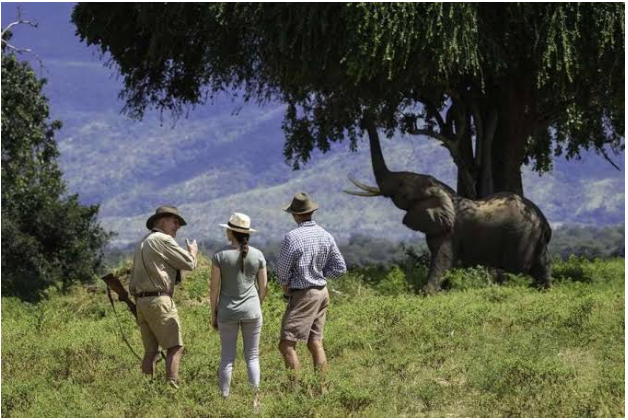

There is a moment on every safari when the guide lifts a hand, the engine falls silent, and everyone in the vehicle holds their breath. On a shared tour, that moment is a compromise: someone wants to leave, someone else wants a better angle, and the schedule has its own ideas. On a private guided safari, the moment is yours to enjoy for as long as you wish.
A private guided safari puts you in control of your time, your pace, and your priorities, with an expert guide and a dedicated vehicle devoted entirely to your party. This guide explains what a private guided safari is, how it differs from group travel, its benefits and costs, the best destinations, and how to plan one that suits you.
What Is a Private Guided Safari?
A private guided safari is a tailor-made trip in which you travel with your own guide and vehicle, with no other travellers joining your group unless you choose. Your itinerary, accommodation, activities, and daily schedule are designed around your interests, whether that means big cats, birdlife, photography, family time, or a mix of everything.
Private safaris come in several forms:
- Fully private self-drive-free tours. A guide drives and interprets while you focus on the wildlife, with a vehicle reserved exclusively for you.
- Private guide with shared lodges. You have your own guide and vehicle but stay in standard camps alongside other guests.
- Private vehicle within a camp’s programme. Many camps offer a private vehicle for an additional fee, giving you the flexibility of a private safari within a set itinerary.
- Fully bespoke journeys. Every detail, from flights to camps to special activities, is designed around your wishes.
Private vs Group Safari: What Is the Difference?
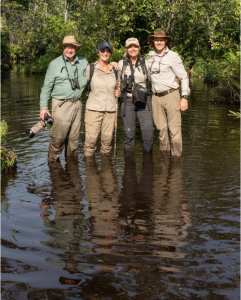
Both options can be wonderful, but they suit different travellers.
Group safaris are typically more affordable, since costs are shared. They suit solo travellers and budget-conscious visitors, and they can be sociable. The trade-off is a fixed itinerary, shared vehicle space, and less flexibility, with the group setting the pace.
Private safaris cost more per person, but they deliver freedom and focus. You decide when to leave camp, how long to stay at a sighting, when to take a break, and what to prioritise. Photographers, families, honeymooners, and travellers with particular interests often find the difference transformative.
The Benefits of a Private Guided Safari
Total Flexibility
With a private vehicle, you set the schedule. Want to stay with a leopard for an hour? Skip lunch to follow a cheetah? Start before dawn to catch the golden light? On a private safari, you can.
A Guide Tailored to You
Your guide’s attention is entirely on your group. They learn your interests and adapt the experience, whether that means tracking, birdwatching, botany, photography, or storytelling. The relationship that develops over several days is often the highlight of the trip.
Better Photography
A private vehicle means no jostling for windows or waiting for others to finish. Guides can position the vehicle for the best light and angles, and you can spend as long as you need to get the shot.
Comfort and Space
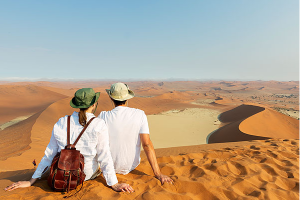
You are not squeezed into a vehicle with strangers. For families, couples, and multigenerational groups, this means room, privacy, and a more relaxed atmosphere.
Family-Friendly Pacing
Children have different attention spans and needs. A private vehicle allows you to take breaks, adjust activities, and focus on what keeps younger travellers engaged, from small creatures to tracking games.
Access to Special Experiences
Private guides often have the connections to arrange unique experiences, such as visits to remote areas, private conservancy activities, cultural encounters, and bush meals in memorable settings.
Safety and Peace of Mind
Experienced private guides are trained in first aid, wildlife behaviour, and safety protocols, and they manage logistics so you can relax.
The Importance of the Guide
The guide is the single most important factor in a safari. A great guide reads animal behaviour, anticipates movement, explains the ecosystem, and puts you in the right place at the right moment. When choosing a private guided safari, consider:
- Qualifications and experience. Look for guides with recognised accreditation and years in the field.
- Local knowledge. A guide who knows the area intimately can find wildlife that others miss.
- Communication. Good storytelling and clear language make the experience richer.
- Specialist interests. If you love birds, photography, or tracking, ask about guides with that focus.
- Safety record and ethics. Responsible guides respect wildlife, keep a safe distance, and follow park rules.
A reputable operator will be transparent about guide experience and happy to discuss your priorities before you book.
Best Destinations for a Private Guided Safari
Tanzania
The Serengeti, Ngorongoro Crater, Tarangire, and the southern parks are all well suited to private safaris. Private guides can follow the Great Migration, and travellers can mix classic northern parks with remote southern wilderness.
Kenya
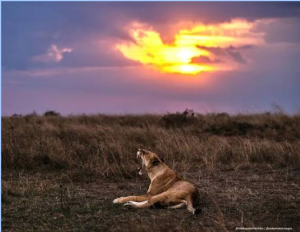
The Maasai Mara and its private conservancies are excellent for private guiding, with off-road driving and night drives in selected conservancies. Amboseli, with its elephants and Kilimanjaro views, and Laikipia, with its rhinos and conservation work, are strong additions.
Botswana
The Okavango Delta, Chobe, and the Kalahari offer varied experiences, including boat, mokoro, and vehicle safaris. Private concessions provide exclusive access and low visitor numbers.
South Africa
Private game reserves bordering Kruger, such as the Sabi Sand, allow off-road driving and excellent leopard viewing. South Africa also suits self-drive and family-friendly private trips, with well-developed infrastructure.
Namibia, Zambia, and Zimbabwe
Namibia offers dramatic desert landscapes and private guided road journeys, Zambia is the birthplace of the walking safari, and Zimbabwe offers remote parks and the spectacle of Victoria Falls.
Rwanda and Uganda
For gorilla and chimpanzee trekking, private guides can arrange permits and logistics, making the experience smoother and more personal.
How Much Does a Private Guided Safari Cost?
Private safaris are more expensive than group tours, but pricing varies widely. As a broad guide, a mid-range private safari may range from roughly 300 to 600 US dollars per person per night, while high-end private safaris with luxury camps can reach 800 to over 2,000 US dollars per person per night. Costs depend on destination, season, camp quality, group size, and included activities.
A useful point: a private vehicle’s cost is shared among everyone in your party, so a family or small group often finds the per-person premium smaller than expected. Always confirm what is included, such as park fees, flights, meals, drinks, and activities, and ask a specialist for current pricing.
How to Plan Your Private Guided Safari
- Define your goals. Decide whether you want big cats, the migration, birds, photography, or a family adventure.
- Choose your destination and season. Match the place and timing to your priorities.
- Set a realistic budget. Include flights, park fees, tips, and extras.
- Pick a reputable operator. Look for transparency, strong reviews, and local expertise.
- Discuss your guide. Ask about experience, specialisms, and language.
- Plan the pace. Seven to ten days works well for most travellers, with two or three bases.
- Book early. Good guides and small camps book up, especially in peak season.
- Prepare for the trip. Arrange visas, vaccinations, insurance, and appropriate clothing.
Tips for the Best Private Safari Experience
- Share your preferences openly. The more your guide knows, the better the experience.
- Be flexible. Wildlife is unpredictable, and the best sightings often come from patience.
- Respect the guide’s judgement. Safety and animal welfare come first.
- Dress in layers and neutral colours. Mornings are cool, and afternoons warm.
- Bring quality optics. Binoculars and a camera with a zoom lens transform the experience.
- Tip appropriately. Tipping guides and camp staff is customary, and your operator can advise on levels.
Responsible Safari Travel
A private safari can be a force for good when you choose responsibly. Look for operators that employ local guides, pay fair wages, support conservation and anti-poaching efforts, and invest in communities. Respecting wildlife by keeping distance and following park rules protects both the animals and your experience.
Conclusion
A private guided safari offers freedom, expertise, and intimacy that few other forms of travel can match. Your own guide, your own vehicle, and your own schedule turn a safari into a deeply personal journey. Whether you are tracking lions in the Serengeti, drifting through the Okavango, or trekking to meet gorillas, the right guide and a well-designed itinerary will make your experience exceptional. Plan early, communicate your goals, and choose a trusted operator, and your safari will be one you remember for a lifetime.
Key Takeaways
- A private guided safari gives you your own guide and vehicle, with a schedule built around your interests.
- The main advantages are flexibility, personalised guiding, better photography, comfort, and family-friendly pacing.
- The guide is the most important element, so ask about experience, specialisms, and local knowledge.
- Tanzania, Kenya, Botswana, South Africa, and other countries all suit private safaris.
- Private safaris cost more per person than group tours, but the vehicle cost is shared among your party.
- Plan seven to ten days, book early, and work with a reputable operator.
- Choose responsible operators that support conservation and local communities.
Frequently Asked Questions
What is a private guided safari? It is a tailor-made safari in which you travel with your own guide and vehicle, with no other travellers unless you choose, and an itinerary designed around your interests.
Is a private safari worth the extra cost? For many travellers, yes. The flexibility, personal guiding, and comfort can transform the experience, especially for photographers, families, and couples.
How much does a private guided safari cost? Mid-range private safaris often range from roughly 300 to 600 US dollars per person per night, while luxury options can reach 800 to over 2,000, depending on destination and season.
How long should a private safari be? Seven to ten days suits most travellers, allowing two or three destinations. Longer trips allow combining regions or adding gorilla trekking or a beach stay.
Can I choose my own guide? Often you can discuss preferences, such as language, interests, or specialisms, and a good operator will match you with a suitable guide.
Is a private safari suitable for families? Yes. A private vehicle lets you adjust the pace and activities to suit children, with breaks and flexible schedules.
Which country is best for a private guided safari? It depends on your interests. Tanzania and Kenya are known for the migration and big cats, Botswana for water-based safaris, and South Africa for leopards and easy logistics.
When should I book? For peak season, book nine to twelve months ahead. Good guides and small camps often sell out well in advance.
What should I look for in a safari operator? Look for transparency, local expertise, experienced guides, positive reviews, and a clear commitment to responsible tourism.