
. Many travelers visit both across multiple African trips.)
Determining the best time to visit Tanzania safari destinations represents one of the most crucial planning decisions impacting wildlife experiences, costs, and overall satisfaction. Tanzania’s safari seasons create dramatically different conditions—from the spectacular wildebeest calving in the southern Serengeti to the dramatic Mara River crossings in the north, from lush green landscapes teeming with newborn animals to parched golden plains where wildlife concentrates around shrinking waterholes. Understanding seasonal variations in weather, wildlife movements, tourist numbers, and pricing enables travelers to align safari timing with specific priorities, whether targeting the Great Migration’s most dramatic moments, seeking exclusive wilderness experiences away from crowds, optimizing photography conditions, or maximizing value through strategic off-peak travel.
Understanding Tanzania’s Climate and Seasons
Tanzania’s proximity to the equator creates relatively consistent temperatures year-round, with seasonal variations driven primarily by rainfall rather than temperature fluctuations. The country experiences two rainy seasons and two dry seasons, though patterns vary between northern and southern regions.
Short Rains (November-December): Brief afternoon showers refresh landscapes without significantly impeding safari activities. This transitional period sees tourist numbers drop while wildlife viewing remains excellent and vegetation transforms from dry-season browns to vibrant greens.
Long Rains (March-May): The primary rainy season brings heavy precipitation, particularly April-May. Roads can become challenging, some properties close for maintenance, and thick vegetation sometimes obscures wildlife. However, this “green season” offers unique advantages including dramatic landscapes, exceptional birding, minimal tourists, and substantially reduced rates.
Short Dry Season (January-February): Brief dry period between rain cycles, particularly significant in the southern Serengeti where it coincides with wildebeest calving season. Clear skies, moderate temperatures, and concentrated wildlife create excellent conditions.
Long Dry Season (June-October): The primary safari season features minimal rainfall, comfortable temperatures, sparse vegetation improving visibility, and wildlife concentrating around permanent water sources. This period attracts maximum tourists and commands peak pricing but delivers optimal game viewing conditions.
Month-by-Month Tanzania Safari Guide
January-February: Calving Season Excellence
January and February rank among the best times to visit Tanzania safari parks for witnessing nature’s most dramatic predator-prey interactions. The wildebeest migration concentrates in the southern Serengeti plains where approximately 500,000 calves are born within a three-week window, primarily late January through early February.
This extraordinary calving synchronization creates predator paradise as lions, cheetahs, leopards, hyenas, and jackals capitalize on vulnerable newborns. The abundance of easy prey triggers intense predator activity with multiple hunts observable daily. Photography opportunities reach annual peaks with dramatic action sequences against the backdrop of the southern plains’ distinctive short-grass landscape.
Weather conditions during this period prove ideal—the short rains have greened the landscape, temperatures remain moderate (20-27°C/68-81°F), and rainfall is minimal. The southern Serengeti’s open terrain permits excellent visibility, while the concentration of hundreds of thousands of wildebeest, zebras, and their newborn young creates wildlife spectacles rivaling any season.
Tourist numbers during January-February represent moderate levels—higher than green season but significantly below June-October peaks. This balance provides quality wildlife experiences without excessive vehicle crowding at sightings. Accommodation availability remains good with advance booking, and rates sit between low and peak season levels.
March-May: Green Season Value
March through May constitutes Tanzania’s long rainy season, traditionally considered “low season” despite offering compelling advantages for flexible travelers. April and May particularly see dramatic rate reductions (20-40% below peak season) as properties desperate for business offer significant discounts and special promotions.
The migration begins moving northwest from the southern plains toward the Western Corridor as grazing depletes and water sources dry. Wildlife disperses more widely during this period as abundant rainfall creates temporary waterholes throughout parks, reducing concentration at specific locations. However, resident wildlife populations remain highly visible, and the dramatic landscape transformation creates stunning photographic backdrops.
Birding reaches annual excellence during the green season as European and North African migrants supplement Tanzania’s rich resident species. Over 500 bird species become observable, many in breeding plumage. The lush vegetation supports insect abundance that attracts insectivorous species, while water proliferation creates ideal conditions for waterbirds.
Vegetation density increases significantly during long rains, sometimes obscuring wildlife and reducing visibility compared to dry season conditions. However, this vegetation growth creates beautiful scenery with flowering trees, lush grasslands, and dramatic storm clouds building atmospheric depth into landscape photography.
Tourist numbers drop to annual lows, particularly April-May when some travelers avoid Tanzania entirely. This exodus creates profoundly exclusive experiences—private wildlife sightings without other vehicles, intimate lodge atmospheres, and wilderness solitude impossible during peak season. For travelers prioritizing authentic nature immersion over convenience, green season delivers unparalleled value.
Road conditions can deteriorate, particularly on secondary routes and in parks like Tarangire where black cotton soil becomes impassable when saturated. However, main northern circuit routes remain accessible with experienced drivers and proper 4×4 vehicles. Some remote properties close entirely during April-May for annual maintenance, reducing accommodation options.
June-July: Migration Movement Season
June marks the transition into dry season, representing one of the best times to visit Tanzania safari destinations for balanced conditions. The long rains taper off, vegetation begins drying, and wildlife increasingly concentrates around permanent water sources as temporary pools evaporate.
The Great Migration moves through the Western Corridor during June-July, approaching and crossing the Grumeti River. These crossings, while less famous than Mara River events, create equally dramatic spectacles as thousands of wildebeest brave crocodile-infested waters. The Western Corridor’s riverine forests, rocky outcrops, and mixed woodlands provide diverse habitats supporting resident wildlife alongside migration herds.
Weather conditions become increasingly favorable with minimal rainfall, comfortable daytime temperatures (18-26°C/64-79°F), and cool evenings requiring warm layers. Vegetation browning improves wildlife visibility, though conditions remain greener than later dry season months. Morning mists create atmospheric photography opportunities, particularly in highland areas like Ngorongoro.
Tourist numbers increase significantly from June onwards as international summer vacations begin. However, early June often sees moderate crowds before July’s peak season rush. Advance booking becomes increasingly important, particularly for premier Serengeti properties and crater rim lodges.
Rates begin climbing in June, with most properties implementing high season pricing that persists through October. This pricing reflects increased demand and optimal wildlife viewing conditions that justify premium costs for many travelers.
August-October: Peak Season Excellence
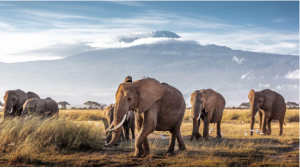
August through October represents Tanzania’s premier safari season, attracting maximum international visitors seeking optimal wildlife viewing conditions. This period ranks as the best time to visit Tanzania safari parks for several compelling reasons.
The Great Migration occupies the northern Serengeti during August-October, creating the year’s most dramatic river crossing spectacles. The Mara River, flowing between Tanzania and Kenya, becomes the stage for massive wildebeest crossings where hundreds of thousands of animals plunge into treacherous waters teeming with enormous Nile crocodiles. The timing and exact crossing locations vary daily based on herd movements and environmental conditions, adding uncertainty but also excitement to safari experiences.
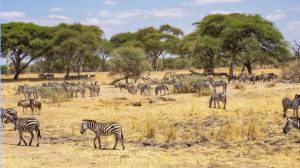
Wildlife concentrations reach annual peaks as dry conditions force animals to congregate around shrinking water sources. The Serengeti’s rivers and permanent waterholes attract enormous herbivore gatherings alongside concentrated predator populations. This concentration facilitates easier wildlife spotting and increases probabilities of witnessing predator-prey interactions.
Vegetation reaches minimum annual density, creating maximum visibility across landscapes. The parched golden grasslands provide classic safari imagery, while sparse foliage permits easier animal detection in woodland areas. Photography benefits from clear skies, excellent visibility, and dramatic lighting conditions.
Weather during August-October proves ideal with minimal rainfall, moderate temperatures (20-28°C/68-82°F), and comfortable game drive conditions. Mornings and evenings can be cool, particularly August-September when temperatures occasionally approach freezing at higher elevations like Ngorongoro Crater rim.
Tourist numbers peak during this season, particularly September which combines optimal migration positioning, excellent weather, and international vacation timing. Popular sighting areas can experience vehicle crowding, sometimes with 10-20 vehicles observing major crossings or predator kills. This congestion represents the primary drawback of peak season travel.
Accommodation availability becomes severely constrained, requiring 6-12 months advance booking for desired properties. Premier migration camps in the northern Serengeti often sell out entirely a year ahead. Rates reach annual maximums, with properties charging 30-50% premiums over green season pricing.
November-December: Shoulder Season Opportunity
November-December represents excellent shoulder season timing, ranking among the best times to visit Tanzania safari for travelers seeking balance between conditions and value. The short rains typically bring brief afternoon showers that refresh landscapes without disrupting full-day safari schedules.
The migration returns southward from the Maasai Mara toward the Serengeti’s southern plains, retracing the annual circuit following rain-stimulated grass growth. Herds spread widely during this transitional movement, creating less concentrated spectacles than river crossing periods but offering diverse viewing across multiple Serengeti regions.
Landscape transformation during November-December creates stunning photographic opportunities as the parched dry season browns transition to vibrant greens. Wildflowers bloom, trees flush with new leaves, and the dramatic storm clouds building during short rains add atmospheric depth to images. Wildlife against lush green backdrops creates compositional variety contrasting with classic dry season golden plains imagery.
Bird populations explode during November-December as migratory species arrive from Europe and northern Africa, supplementing Tanzania’s abundant resident birds. Over 500 species become observable, many in brilliant breeding plumage. This period ranks as the best time to visit Tanzania safari for ornithology enthusiasts.
Tourist numbers remain moderate, significantly below August-October peaks but higher than April-May lows. This balance provides quality wildlife experiences without excessive crowding or complete isolation. Accommodation availability improves substantially, often permitting bookings just 1-3 months ahead.
Rates during November-December vary by property and specific timing. Many lodges implement shoulder season pricing representing 10-20% savings versus peak season. The Christmas-New Year period (approximately December 20-January 5) represents an exception, commanding peak season premiums due to holiday demand despite being technically shoulder season.
Regional Seasonal Variations
Northern Circuit (Serengeti, Ngorongoro, Tarangire, Lake Manyara)
The northern circuit’s popularity means seasonal tourism fluctuations significantly impact experiences. Peak season (July-October) sees maximum visitors, particularly in the Serengeti. Ngorongoro Crater maintains consistent wildlife year-round due to its enclosed nature, making it excellent any season. Tarangire’s elephant concentrations peak during dry season (June-October) when massive herds congregate along the Tarangire River.
Southern Circuit (Ruaha, Nyerere/Selous)
Southern parks experience less pronounced seasonal tourism variations with fewer overall visitors. Ruaha’s dry season (June-November) concentrates wildlife spectacularly along the Great Ruaha River. The park closes April-May during heavy rains when roads become impassable. Nyerere National Park maintains year-round accessibility with boat safaris continuing even during wet season.
Western Tanzania (Mahale, Gombe)
Western chimpanzee trekking destinations operate year-round with wet season (November-April) creating lusher forests and more challenging trekking conditions. Dry season (May-October) offers easier hiking and higher chimpanzee encounter probabilities as troops venture to lower elevations seeking water.
Matching Safari Timing to Priorities
Best Time for Great Migration
Migration viewing priorities determine optimal timing:
- Calving Season: Late January-February (southern Serengeti)
- Grumeti River Crossings: June-July (Western Corridor)
- Mara River Crossings: August-October (northern Serengeti)
- General Migration Viewing: December-March (southern plains), August-October (northern Serengeti)
Best Time for Photography
Photography priorities favor:
- Dramatic Action: February (calving/predator activity), August-October (river crossings)
- Landscape Photography: November-December (green season transformation), June (transitional conditions)
- Optimal Lighting: June-October (clear skies, low humidity)
- Fewer Vehicles: April-May, November (less competition for positioning)
Best Time for Budget Travelers
Cost-conscious timing prioritizes:
- Maximum Savings: April-May (20-40% discounts)
- Balanced Value: November, early December, June (moderate savings, good conditions)
- Avoid: July-October, Christmas-New Year (peak pricing)
Best Time for Avoiding Crowds
Exclusivity priorities favor:
- Minimum Tourists: April-May (dramatically reduced visitor numbers)
- Moderate Crowds: November, June (shoulder seasons)
- Maximum Crowds: August-September (peak international visitation)
Best Time for Families
Family safari considerations:
- School Holidays: June-August, December (coincides with peak season)
- Moderate Weather: June-October (dry, comfortable conditions)
- Wildlife Visibility: July-October (concentrated animals, easier spotting)
Best Time for Birding
Ornithology priorities:
- Peak Diversity: November-April (resident plus migratory species)
- Breeding Displays: November-January (many species in breeding plumage)
- Waterbirds: March-May (wet season concentrations)
Weather Considerations by Region
Coastal areas including Zanzibar experience different patterns than safari regions. The coast sees long rains March-May and short rains November-December, with the hottest, most humid conditions December-March. Combining mainland safaris with Zanzibar beach extensions requires considering both regions’ seasonal patterns.
Highland areas like Ngorongoro Crater rim experience significantly cooler temperatures than lowland parks, particularly June-August when morning temperatures can approach freezing. Visitors during these months need warm clothing layers regardless of daytime warmth in lower elevation areas.
Practical Planning Recommendations
Book Early for Peak Season: July-October safaris require 6-12 months advance booking for preferred properties and northern Serengeti migration camps.
Flexible Dates for Green Season: April-May travel permits shorter booking windows (1-3 months) and greater negotiation leverage for rates and upgrades.
Consider Shoulder Seasons: June and November offer excellent balance between conditions, costs, and crowds.
Migration Timing Uncertainty: Exact migration timing varies annually by 2-4 weeks based on rainfall patterns. Reputable operators monitor daily movements and adjust itineraries accordingly.
Combine Seasons Strategically: Extended safaris might span seasonal transitions, experiencing both green season exclusivity and dry season concentrations within single trips.
Conclusion
The “best time to visit Tanzania safari” ultimately depends on personal priorities—whether you value witnessing the Great Migration’s most dramatic river crossings amid peak season crowds and costs, experiencing the intimate wilderness exclusivity and exceptional value of green season travel, photographing newborn wildlife against predator backdrops during calving season, or finding balanced conditions during shoulder seasons when moderate tourist numbers coincide with good weather and reasonable rates. Tanzania’s year-round safari viability means there’s genuinely no “bad” time to visit, only different seasons offering varied experiences, each with distinctive advantages and trade-offs.
Understanding that the Serengeti ecosystem functions continuously regardless of human observation schedules, that predators hunt and prey flee whether tourists witness it or not, and that Africa’s wild rhythms persist through all seasons helps contextualize timing decisions. The dry season’s concentrated wildlife and optimal photography conditions justify peak pricing for many travelers, while green season’s dramatic landscapes, exceptional birding, profound solitude, and 40% cost savings create compelling value propositions for flexible adventurers. By aligning safari timing with your specific wildlife priorities, budget parameters, crowd tolerance, and photographic goals, you can craft Tanzania safari experiences that deliver exactly the African adventure you envision, whether that involves joining thousands witnessing iconic Mara River crossings or experiencing the Serengeti’s wilderness character in near-complete solitude during April’s life-giving rains.
Key Takeaways
- Dry season (June-October) offers optimal wildlife viewing with concentrated animals, clear skies, and sparse vegetation but attracts maximum tourists and peak pricing
- Green season (March-May) provides 20-40% cost savings, dramatic landscapes, exceptional birding, and profound solitude despite occasional rain and denser vegetation
- Calving season (late January-February) delivers unparalleled predator action as 500,000 wildebeest calves are born within weeks in the southern Serengeti
- Great Migration river crossings occur June-July (Grumeti River) and August-October (Mara River) with exact timing varying annually
- Shoulder seasons (June, November-December) balance good conditions, moderate crowds, and reasonable pricing
- Peak season (July-October) requires 6-12 months advance booking for premier properties; green season permits 1-3 month booking windows
- Ngorongoro Crater maintains consistent year-round wildlife viewing due to its enclosed ecosystem regardless of season
- November-April represents peak birding season with 500+ species including European and North African migrants in breeding plumage
- Tourist numbers vary dramatically: April-May see minimum visitors, August-September attract maximum crowds
- Tanzania safaris operate successfully year-round with each season offering distinctive advantages aligned to different traveler priorities
Frequently Asked Questions
What is the best month to go on a Tanzania safari?
The “best” month depends on priorities. August-October offers peak wildlife concentrations, Great Migration Mara River crossings, optimal weather, and maximum visibility but attracts most tourists and highest costs. Late January-February delivers extraordinary calving season predator action with moderate crowds and costs. June provides excellent transitional conditions with Grumeti River crossings and building dry season concentrations. November offers shoulder season balance with short rains greening landscapes, good wildlife viewing, and moderate pricing. April-May suits budget travelers and those seeking solitude despite occasional heavy rain. Each month offers unique advantages rather than one definitively “best” option.
When is the worst time to visit Tanzania for a safari?
No month is genuinely “worst”—each offers viable safari experiences. April-May traditionally rank lowest for tourism due to long rains creating muddy roads, dense vegetation obscuring wildlife, and some property closures. However, these months provide exceptional value (20-40% savings), dramatic green landscapes, spectacular birding, and profound wilderness exclusivity. March-April can be challenging as rains intensify. The “worst” time is subjective: April-May disappoints those expecting dry season conditions but delights budget travelers and birding enthusiasts. Even during peak rains, wildlife viewing continues successfully and landscapes transform beautifully.
Is Tanzania safari better in dry or wet season?
Both seasons offer distinct advantages. Dry season (June-October) provides concentrated wildlife around water sources, sparse vegetation improving visibility, comfortable weather, and optimal photography lighting—justifying peak pricing and tourist numbers. Wet/green season (November-May) delivers lush landscapes, newborn animals, exceptional birding, dramatic storm photography, minimal tourists, and substantially lower costs. Dry season suits first-time safari travelers prioritizing guaranteed excellent wildlife viewing and classic safari imagery. Green season appeals to experienced travelers, photographers seeking variety, birders, and budget-conscious visitors valuing exclusivity and natural landscape beauty over maximum wildlife concentration.
How long should I spend on a Tanzania safari?
Minimum 4-5 days permits meaningful northern circuit experiences covering Serengeti, Ngorongoro, and Tarangire. Seven to ten days allows comprehensive multi-region exploration, multiple days in the Serengeti positioning for migration events, and natural safari pacing without constant rushing. Two-week safaris enable northern-southern circuit combinations or deeper single-region immersion. Duration impacts per-day costs (longer safaris spread fixed expenses reducing daily rates) and wildlife encounter probabilities (extended stays increase odds of witnessing rare behaviors). Budget and schedule permitting, 7-10 days provides optimal balance between costs, experiences, and avoiding safari fatigue.
Can you do a Tanzania safari year-round?
Yes—Tanzania safaris operate successfully throughout the year with each season offering viable experiences. Main northern circuit parks (Serengeti, Ngorongoro, Tarangire, Lake Manyara) remain accessible year-round despite seasonal weather variations. Some remote southern circuit properties close during heavy rains (April-May) when roads become impassable. Ngorongoro Crater maintains consistent wildlife viewing all months due to its enclosed ecosystem. The Great Migration follows predictable annual patterns, ensuring wildlife spectacles across different seasons: calving (January-February), Grumeti crossings (June-July), Mara crossings (August-October). Year-round viability means travelers can select timing based on personal schedules, budget, and specific wildlife priorities.
Does it rain during Tanzania safari season?
“Safari season” encompasses the entire year with varying rainfall patterns. Dry season (June-October) experiences minimal rainfall though brief showers occasionally occur. Short rains (November-December) bring afternoon showers typically lasting 1-2 hours without disrupting full-day schedules. Long rains (March-May, particularly April-May) see heaviest precipitation with possible all-day rain though many days remain partially clear. January-February represents a brief dry period. Rainfall creates lush landscapes, fills waterholes, and triggers wildlife breeding cycles—natural ecosystem processes rather than inconveniences. Quality safari vehicles and accommodations function effectively during rains, and flexible itineraries adapt to weather conditions.
When can you see the wildebeest migration in Tanzania?
The Great Migration occupies Tanzania approximately 9 months annually, moving clockwise through the Serengeti ecosystem: December-March in southern Serengeti plains (calving late January-February), April-May moving northwest through central Serengeti, June-July in Western Corridor approaching Grumeti River, August-October in northern Serengeti crossing the Mara River into Kenya’s Maasai Mara, then November-December returning southward. Exact timing varies 2-4 weeks annually based on rainfall patterns. For dramatic river crossings: June-July (Grumeti River, fewer tourists) or August-October (Mara River, more famous). For calving and predator action: late January-February. The migration never “ends”—herds continuously move following grazing and water.
Is Tanzania better than Kenya for safari?
Tanzania and Kenya offer comparable excellent safari experiences with different emphases. Tanzania advantages: larger, less crowded Serengeti ecosystem (14,750 km² versus Mara’s 1,510 km²); migration herds spend 8-9 months in Tanzania versus 3-4 in Kenya; Ngorongoro Crater’s unique geology and concentrated wildlife; generally better value pricing; stricter off-road restrictions protecting ecosystems. Kenya advantages: easier accessibility from Nairobi; excellent Maasai Mara wildlife density in a compact area; strong conservation infrastructure; slightly lower costs for some experiences. Both countries deliver exceptional wildlife viewing. Choosing depends on specific interests, available time, budget, and whether combining with beaches (Zanzibar-Tanzania versus Mombasa-Kenya). Many travelers visit both across multiple African trips.