
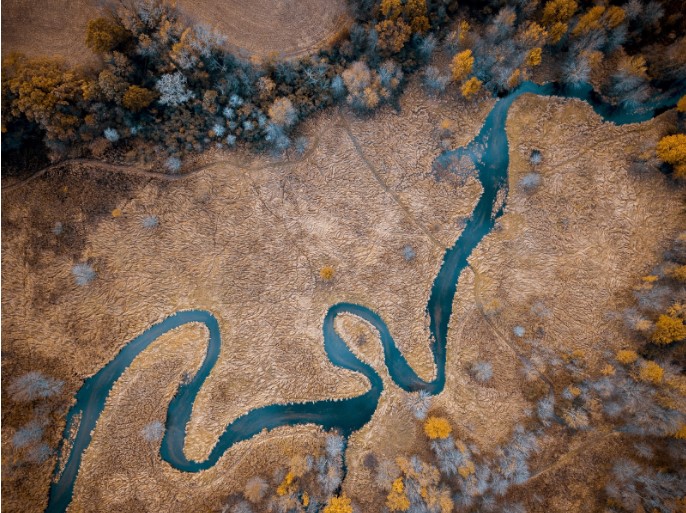

Lake mapping has seen significant advancements in recent years, thanks to the integration of cutting-edge technologies. As the need for detailed and accurate aquatic assessments grows, these advancements allow researchers and environmental managers to improve the efficiency and effectiveness of their lake mapping efforts. This blog delves into the various technologies revolutionizing lake mapping practices and their implications for environmental management.
Sonar Technology
One of the most impactful advancements in lake mapping is the utilization of sonar technology. Sonar systems, especially multibeam sonar, provide detailed bathymetric data by emitting sound waves to measure depths and underwater features. This technology allows for high-resolution mapping of lake bottoms, revealing vital features such as underwater structures, vegetation growth, and sediment layers. The precision offered by sonar significantly enhances the quality of lake mapping, which is essential for effective habitat restoration and management.
Aerial and Satellite Imagery
Another transformative approach to lake mapping is the use of aerial and satellite imagery. These imaging technologies provide wide-area coverage and can capture large bodies of water in high definition, allowing researchers to analyze surface characteristics, water quality, and environmental changes over time.
Remote sensing technology can identify fluctuations in water levels, changes in land use around lakes, and spot areas of pollution or erosion. By harnessing aerial and satellite imagery, lake mapping becomes more comprehensive, enabling stakeholders to monitor and manage lake ecosystems efficiently.
Geographic Information Systems (GIS)
Geographic Information Systems (GIS) have become indispensable tools in lake mapping practices. GIS enables the integration of various data types—such as spatial, environmental, and social data—into a single platform.
This integration allows for sophisticated analysis and visualization of lake environments, making it easier to assess conditions, plan restoration projects, and make informed decisions. With GIS, lake mapping can encompass multiple layers of information, providing stakeholders with a holistic view of the lake ecosystem and its challenges.
Drones and Unmanned Aerial Vehicles (UAVs)
The introduction of drones and UAVs has added a new dimension to lake mapping practices. These technologies allow for the collection of high-resolution images and data from hard-to-reach areas, such as remote lakes or hazardous environments.
Drones can be equipped with various sensors to capture not just visual imagery but also thermal and multispectral data, enabling comprehensive assessments of lake health and identifying ecological threats. The agility and efficiency of drone technology greatly enhance the accuracy and scope of lake mapping projects.
Real-Time Data Collection
Advancements in real-time data collection technologies have further transformed lake mapping practices. Tools such as remote sensors and IoT (Internet of Things) devices can continuously monitor various lake parameters—like temperature, pH levels, and nutrient concentrations—providing instant data that is critical for effective management.
By integrating real-time data into lake mapping efforts, researchers can respond swiftly to emerging challenges, track trends over time, and facilitate proactive conservation actions.
Conclusion
In conclusion, advanced technologies are reshaping the landscape of lake mapping, resulting in more precise, comprehensive, and actionable insights. From sonar systems and remote sensing through drones to GIS and real-time data collection, these innovations are enabling better management of aquatic ecosystems.
As the field of lake mapping continues to evolve, it holds the promise of fostering healthier, more resilient water bodies, ultimately benefiting both the environment and the communities that depend on them. Embracing these technologies is essential for ensuring the sustainability of our lakes for generations to come.